
Echinochloa pyramidalis
Echinochloa pyramidalis
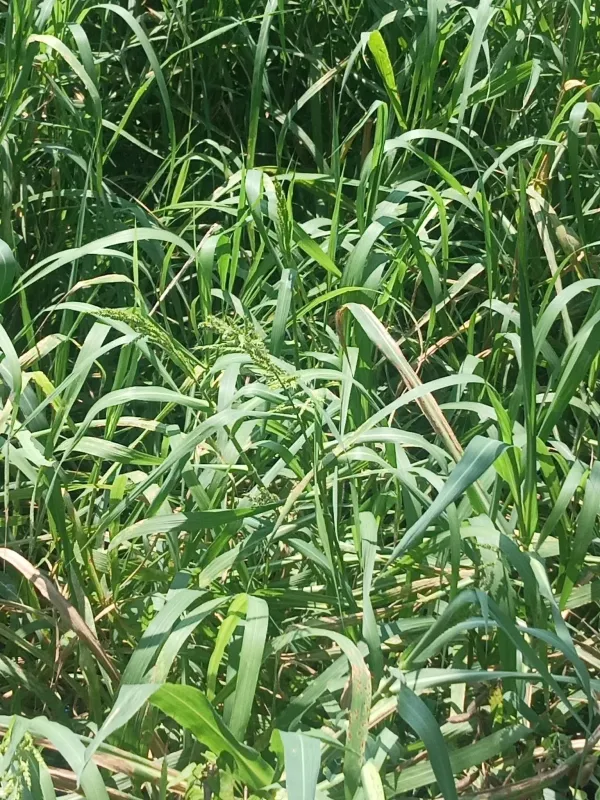
Description
Sowing dates
Planting of Echinochloa pyramidalis is generally timed with the onset of the rainy season to capitalize on moisture availability for initial root establishment.
Seeds should be sown at a shallow depth of 1–2 centimeters, ensuring sufficient soil contact while avoiding deep burial which inhibits germination rates.
In many agricultural settings, vegetative propagation using stem cuttings or rhizome segments is preferred over seeds for more reliable establishment.
It is vital to clear the land of competing weeds prior to sowing, as the young seedlings are initially sensitive to competition for nutrients and space.
Depending on the soil moisture, supplemental irrigation might be necessary in the first two weeks if rainfall is inconsistent to ensure high survival rates.
Growing requirements
Echinochloa pyramidalis is a robust perennial grass belonging to the Poaceae family, known for its high adaptability to waterlogged and flood-prone environments.
The plant thrives in heavy, clay-rich alluvial soils found along river banks and floodplains, where it can survive periods of temporary inundation.
It prefers tropical and subtropical climates with high temperatures, maintaining active growth throughout the year if water supply is adequate.
While tolerant of low-oxygen environments, the grass shows significantly improved biomass production when grown in moderately fertile soils with balanced minerals.
Management of water levels can enhance the plant's yield, as it effectively uses anaerobic conditions to outcompete less hardy grass species in marshy zones.
Yield
This species is highly regarded for its substantial green matter production, making it a valuable resource for intensive livestock grazing systems.
Yield capacity is high, with the ability to produce multiple cuttings throughout the year due to the rapid vegetative regeneration of the plant.
Nutritional value peaks during the younger stages of growth, emphasizing the importance of a structured harvesting schedule to maintain high-quality feed.
Under optimal conditions, consistent management can produce yields comparable to or better than other forage staples in tropical agricultural sectors.
The biomass serves not only as fresh fodder but also as an excellent candidate for silage production, provided the moisture levels are managed correctly.
Main diseases and pests
Disease pressure, particularly from fungal leaf spots and rusts, can become problematic in regions with extremely high humidity and limited air circulation.
Insect pests, including various stem-boring larvae, may impact the structural integrity and overall yield of the grass stands if left unmonitored.
Occasional infestations of parasitic weeds can stress the crop on less nutrient-rich soils, potentially reducing the vigor of the grass clumps.
Integrated pest management strategies focusing on appropriate cutting cycles and field sanitation are effective in minimizing potential crop losses.
- Rust and fungal pathogens
- Stem-boring insect infestations
- Competition from invasive weeds
Harvesting
Harvesting should be conducted at the early flowering stage to achieve the ideal compromise between the quantity of biomass and the protein content of the grass.
Mechanical harvesting is common, though equipment must be appropriate for the moist ground conditions common in the cultivation of this species.
Post-harvest processing requires immediate handling to prevent rapid fermentation and loss of nutrients caused by the plant's naturally high moisture content.
Adjusting the cutting height is essential; leaving sufficient stubble ensures the plant reserves are protected for vigorous regrowth after the harvest.
Effective silage-making techniques are recommended for preserving excess harvest, ensuring a steady supply of fodder during the drier parts of the year.