
Aleman grass
Echinochloa polystachya
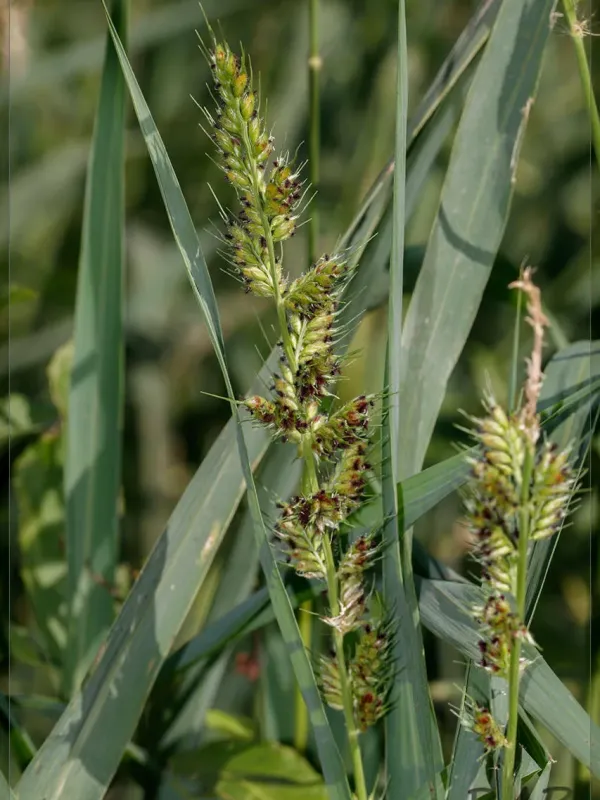
Description
Growing requirements
Aleman grass (Echinochloa polystachya) is a perennial grass species belonging to the Poaceae family. It is native to tropical regions of the Americas and is highly prized for its ability to thrive in flooded or waterlogged environments.
Botanically, it is characterized by its robust, sprawling stems that can develop adventitious roots when submerged. This unique adaptation allows it to flourish in marshes and river floodplains where other grasses fail to survive.
The plant has strict climatic requirements, primarily demanding warm temperatures year-round. It is sensitive to frost and cold, making it unsuitable for cultivation in temperate climates unless grown as an annual in a greenhouse setting.
Soil requirements for Aleman grass include a need for high fertility and moisture retention. It performs best on heavy, organic-rich soils that stay wet for long periods, effectively utilizing the abundant moisture available in tropical wetland zones.
Agricultural management should prioritize light exposure and nitrogen fertilization to maximize biomass production. Proper spacing and land management ensure that the plant develops a dense canopy, which is essential for high yields in forage production.
Yield
Aleman grass is primarily used as a high-quality fodder crop for livestock. It is known for its excellent palatability and nutritional profile, providing a steady supply of protein-rich green forage in regions where water access is abundant.
The yield potential is high, especially under optimal management. The crop can be harvested multiple times throughout the growing season because of its vigorous regrowth capacity after being cut for hay or silage.
Grazing is another viable option for utilization, as the soft stems and leaves are highly digestible for cattle. It serves as a vital resource in intensive livestock systems located in tropical flood-prone areas.
Management of harvest time is crucial for maintaining feed quality. If left to mature too long, the stems become fibrous and lose nutritional value, so early cutting is recommended for the best animal performance.
In addition to its role in agriculture, Aleman grass helps in stabilizing soil against erosion in riparian zones. Its root structure provides a strong network that holds sediments in place during seasonal floods.
Main diseases and pests
Insects such as aphids and various larvae can pose threats to the vegetative growth of Aleman grass. Regular field scouting is necessary to detect and manage pest outbreaks before they significantly reduce biomass yield.
Fungal diseases like rusts and leaf spots may occur in conditions of high humidity and poor air circulation. Proper field drainage management and density control can mitigate these issues effectively.
Weed competition is generally a minor concern after the crop establishes itself, as its fast growth habit allows it to shade out other plants. Careful weed control is only needed during the initial establishment phase.
Root nematodes can cause damage in long-term continuous planting scenarios. Implementing crop rotation cycles or using fallow periods helps maintain soil health and prevents the buildup of these pathogens.
Integrated pest management strategies are encouraged to ensure safety for livestock feeding. Avoiding heavy chemical use is standard practice to preserve the quality of the fodder and the health of the local ecosystem.