
Echinochloa paludigena
Echinochloa paludigena
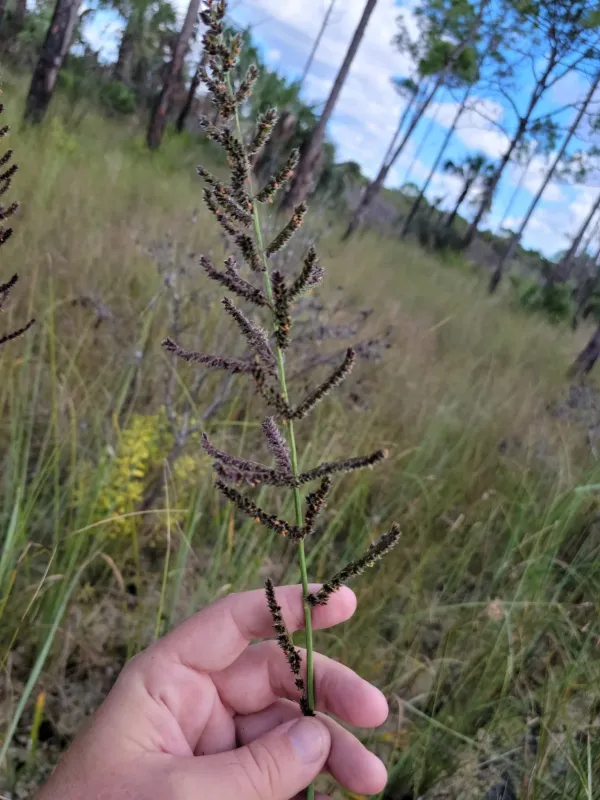
Description
Growing requirements
Echinochloa paludigena is an annual grass species belonging to the Poaceae family. As its name suggests, this plant is specifically adapted to marshy environments and areas with high soil moisture content, making it a unique member of the genus.
The botanical structure of the plant includes robust stems and long, narrow leaf blades typical of the Echinochloa genus. It is well-adapted to anaerobic soil conditions often found in saturated habitats, allowing it to thrive where other cereal relatives might struggle.
The distribution of this species is largely associated with warm, humid regions where wetlands, floodplains, and riparian zones provide the necessary water levels for seed germination and vegetative growth throughout the season.
In terms of soil requirements, the plant prefers nutrient-rich alluvial or silty soils that retain moisture effectively. It performs best in substrates that are consistently wet but not necessarily stagnant, benefiting from the influx of minerals found in river deposits.
The climate requirements for optimal development include a long growing season with high heat accumulation. Adequate solar radiation is essential for the plant to achieve its full potential in biomass production and reproductive success within its preferred ecosystem.