
Ceylon Dracaena
Dracaena zeylanica
Description
Growing requirements
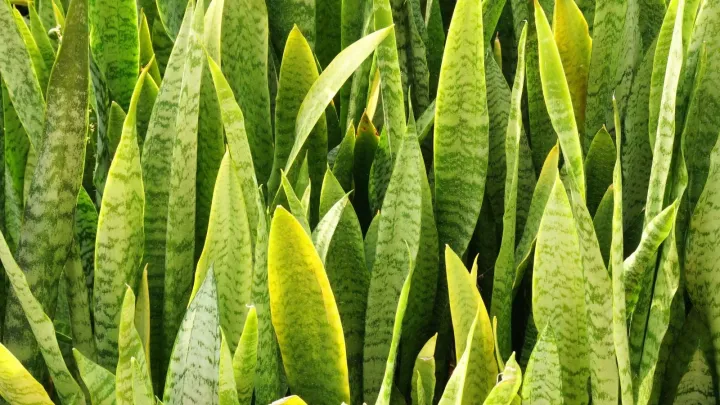
Dracaena zeylanica, commonly known as Ceylon Dracaena, belongs to the Asparagaceae family. This ornamental crop is native to the tropical forests of Sri Lanka, where it thrives in high-humidity, shaded environments.
The plant requires stable climatic conditions with temperatures consistently between 20°C and 25°C. Exposure to sudden cold drafts must be strictly avoided, as the species lacks tolerance for rapid thermal fluctuations and sub-optimal temperature drops.
Soil requirements involve a well-draining, nutrient-rich substrate with a slightly acidic to neutral pH. Providing a consistent supply of organic matter and ensuring excellent aeration in the root zone are foundational aspects of its cultivation success.
Regarding light, this culture prefers bright, indirect sunlight. While it can adapt to lower light conditions, consistent exposure to bright light maintains the unique, dense foliage coloration and structural integrity of the stems.
Hydration management is critical, as Dracaena zeylanica is susceptible to root rot if overwatered. Irrigation should be performed only when the top few centimeters of the soil are dry, and the relative humidity should be maintained at moderate to high levels.
Main diseases and pests
Major pests affecting this crop include spider mites, scale insects, and mealybugs. These organisms primarily target the undersides of leaves and leaf axils, necessitating routine inspections to catch infestations at the early stages.
Pathogenic threats are dominated by fungal infections like leaf spot and root rot, often induced by waterlogged soil conditions. Implementing proper sanitation practices and utilizing effective systemic fungicides are the primary strategies for disease management.