
Afromontane dracaena
Dracaena afromontana
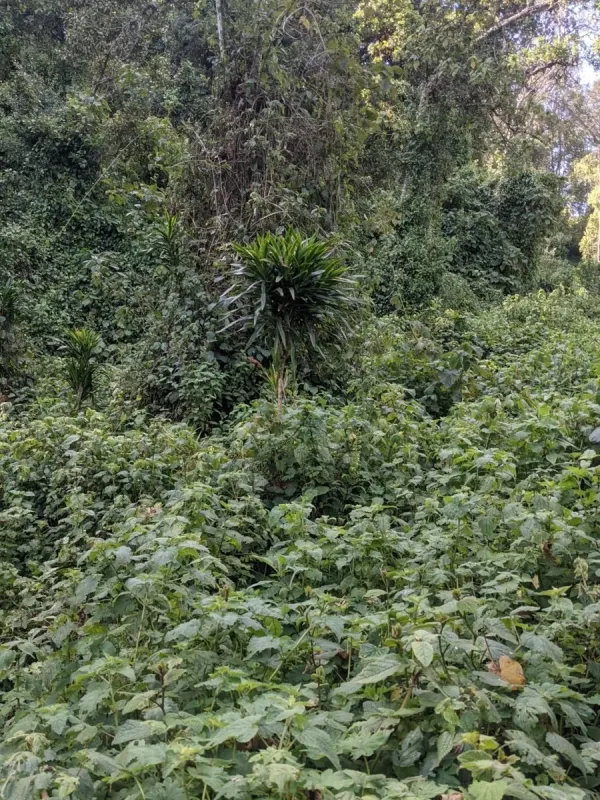
Description
Growing requirements
Dracaena afromontana is a distinctive plant species within the Asparagaceae family, naturally occurring in the Afromontane regions of Africa. This species thrives in high-altitude environments, which defines its specific climatic preferences and growth patterns.
To cultivate this species successfully, it is essential to provide temperatures that reflect its natural habitat, typically ranging between 18°C and 25°C. Exposure to frost or sustained cold must be avoided as the plant lacks cold-hardiness and will suffer significant tissue damage.
The substrate should be well-draining, nutrient-rich, and slightly acidic. Incorporating inorganic materials like pumice or perlite into the soil mix is recommended to ensure that the root system receives sufficient oxygen and does not sit in waterlogged conditions.
Light requirements for this species are centered on bright, indirect light. While the plant can tolerate lower light levels, it develops best with consistent, filtered exposure, which prevents leaf chlorosis and keeps the foliage density robust and aesthetically pleasing.
Watering practices should be methodical, focusing on allowing the top few centimeters of soil to dry out between applications. During the dormant winter phase, irrigation frequency should be reduced significantly to reflect the plant’s slowed physiological activity.
Main diseases and pests
Spider mites are the most frequent pests affecting the foliage, particularly in indoor environments where humidity levels fluctuate. Regular misting and maintenance of air circulation help minimize the risk of infestation by these small arachnids.
Scale insects can also pose a persistent threat, often clustering along the veins and stem junctions. Physical removal using soft brushes soaked in insecticidal soap is an effective control measure for localized infestations.
Root rot is a critical threat often caused by overwatering or poor drainage systems. Signs of distress include yellowing leaves and a softened stem base, indicating that urgent intervention and root inspection are required to save the plant.
Fungal leaf spot diseases may appear if the foliage remains wet for extended periods in low-ventilation areas. Ensuring that water does not pool on the leaf surfaces is vital to maintaining the health and structural integrity of the plant.
Maintaining a clean, hygienic environment in the greenhouse or home is the best preventive strategy against pests and pathogens. Isolating new plants before introducing them to the main collection is a fundamental practice in professional horticulture.