
Dracaena aletriformis
Dracaena aletriformis
Description
Growing requirements
Dracaena aletriformis is a distinctive member of the Asparagaceae family, native to the tropical forests of Eastern and Southern Africa. This species is highly valued in horticulture for its robust architectural form and ability to thrive in low-light environments.
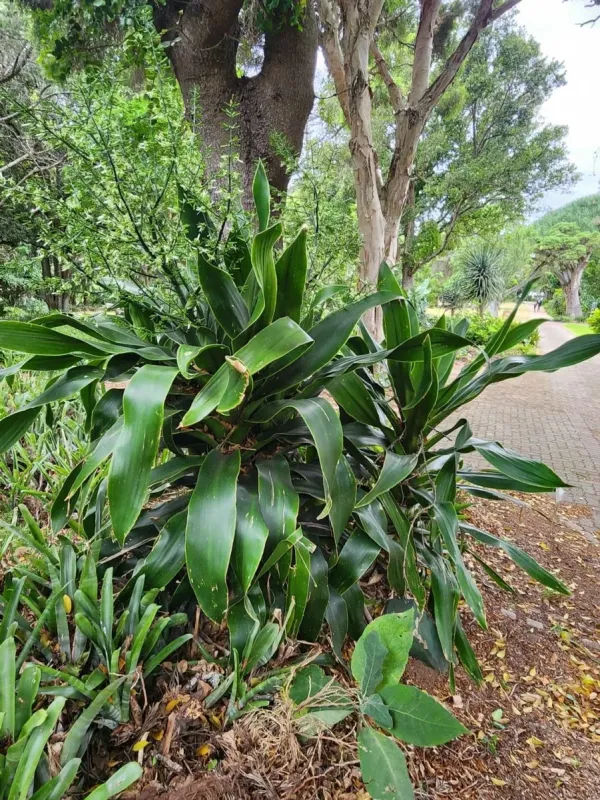
Botanically, it is characterized by a sturdy, woody stem topped with dense rosettes of long, leathery leaves. Unlike some delicate species, this plant is known for its structural resilience, making it an excellent choice for large-scale landscaping and interior design projects.
The climate requirements for this culture are strictly tropical; it demands consistent temperatures between 20°C and 25°C. Exposure to freezing temperatures or sudden cold drafts can cause irreversible damage to the foliage and vascular system of the plant.
In terms of soil and growing medium, it requires a well-draining, nutrient-rich substrate. A mixture with high organic content, such as peat or coco coir blended with perlite, is recommended to ensure both moisture retention and adequate aeration for the root system.
From a хозяйственное standpoint, this plant serves primarily as a decorative specimen. It is widely used in commercial greenhouses and professional interior landscaping, where it provides a dramatic aesthetic impact while requiring relatively low maintenance compared to other exotic plants.
Main diseases and pests
The primary threats to the health of this species are related to water management. Over-irrigation frequently leads to root rot, caused by various soil-borne fungi that thrive in waterlogged conditions. Proper drainage is the most effective preventive measure.
Pests such as spider mites, mealybugs, and scale insects are common adversaries in indoor cultivation. These pests tend to colonize the undersides of leaves and leaf axils, depleting the plant's sap and weakening its structural integrity over time.
Environmental stress, particularly low humidity, is another common issue. When the air is too dry, leaf tips may begin to brown and wither, reducing the plant's ornamental value. Regular misting or the use of humidifiers is suggested for optimal growth.
Disease management involves the use of systemic fungicides during the early stages of infection. Maintaining a strict sanitation routine in the nursery, including the removal of dead leaf material, significantly reduces the presence of potential vectors for pathogens.
- Use high-quality sterilized soil media.
- Implement integrated pest management programs.
- Ensure good ventilation to prevent fungal spore buildup.
- Monitor for early signs of chlorosis or leaf spots.
- Avoid harsh chemical fertilizers during dormant phases.