
Dracaena arborea
Dracaena arborea
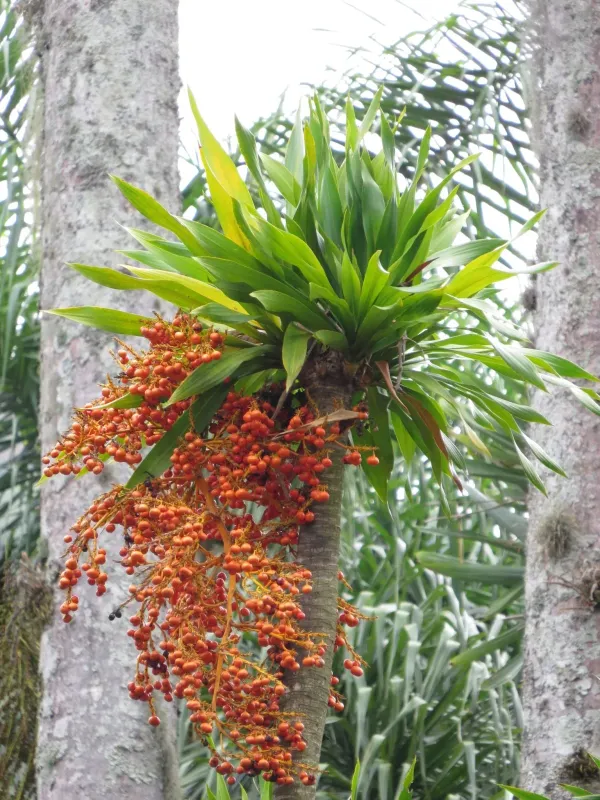
Description
Growing requirements
Dracaena arborea is a significant perennial species belonging to the Asparagaceae family. This tree-like plant can grow up to 12 meters in its natural habitat, featuring a robust trunk and long, leathery leaves arranged in dense terminal rosettes.
Native to the tropical regions of West and Central Africa, this plant is well-adapted to humid forest understories. It requires environments that mimic these natural conditions to thrive and achieve optimal growth in commercial settings.
The climate requirements for Dracaena arborea are strictly tropical. It thrives in consistent temperatures ranging from 20 to 28 degrees Celsius and cannot withstand frost. Protecting the plant from cold drafts and temperature drops is essential for its survival.
Soil quality is paramount for the health of this crop. The ideal growing medium should be highly porous, well-draining, and rich in organic matter to prevent root suffocation. Proper aeration of the rhizosphere is a critical factor in successful agronomy.
Industrial use of Dracaena arborea is primarily focused on the ornamental sector. It is prized for its stately appearance in botanical gardens, indoor atriums, and commercial landscaping, where it serves as a structural feature plant.
Main diseases and pests
Pest management is a vital component of the agronomy of Dracaena arborea. Spider mites represent the most common threat, often proliferating in dry, warm indoor environments and damaging the photosynthetic capacity of the leaves.
Scale insects frequently target the stems and leaf bases. These pests cause sap depletion and secrete honeydew, which often leads to the development of sooty mold, further compromising the aesthetic and physical health of the plant.
Root rot, driven by pathogens such as Phytophthora or Pythium, remains the most devastating condition for Dracaena. It is predominantly caused by poor drainage and excessive irrigation, leading to irreversible damage to the root system.
Leaf spot diseases, caused by various fungal pathogens, appear as dark patches on the foliage. These are most common in stagnant air conditions where moisture levels remain consistently high without adequate ventilation.
Effective control measures include integrated pest management strategies. This involves maintaining optimal humidity levels, ensuring sufficient airflow, and applying targeted treatments at the first sign of infestation or infection.