
Dracaena aubryana
Dracaena aubryana
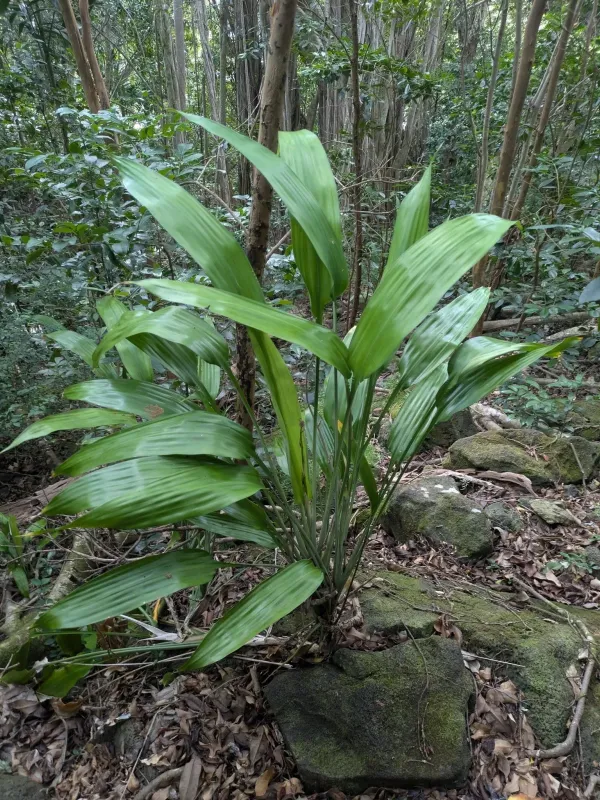
Description
Growing requirements
Dracaena aubryana is a distinctive species belonging to the Asparagaceae family. Originating from the dense tropical forests of West Africa, this plant is characterized by its adaptability to low-light conditions and high humidity, which are typical of the tropical understory.
The cultural requirements demand bright, indirect sunlight. Direct exposure to intense sun will cause leaf scorching and irreversible damage to the foliage. Placing the plant in a spot with filtered light is essential for maintaining deep green coloration and preventing physiological stress.
Temperature management is critical for the healthy growth of Dracaena aubryana. Ideally, the plant should be kept within a range of 20°C to 25°C. Exposure to temperatures below 15°C should be strictly avoided as it can cause dormancy and susceptibility to secondary infections.
The soil must be well-aerated and nutrient-rich. A mix composed of high-quality peat, perlite, and coarse bark is recommended to provide adequate drainage. This structure prevents the roots from becoming waterlogged, which is the most common cause of failure in cultivation.
Watering frequency depends on ambient conditions. During the active growth season, the soil should be kept consistently moist but not saturated. Reducing watering in the winter months is a necessary practice to accommodate the reduced metabolic activity of the plant.
Main diseases and pests
The primary health threats to Dracaena aubryana include soil-borne pathogens such as Fusarium and Phytophthora, which flourish in waterlogged conditions. Preventive care includes using sterile growing media and ensuring high-quality drainage systems at the base of the container.
Pest outbreaks, specifically spider mites and mealybugs, are frequent in indoor environments. Spider mites are particularly aggressive in dry, stagnant air. Managing humidity levels and physically inspecting the undersides of leaves are effective initial defense strategies.
Scale insects present a significant challenge due to their protective coverings. Infested plants require systemic insecticides that can penetrate the insects' armor. It is important to isolate affected plants to prevent the spread of the colony to other specimens in the collection.
Nutrient toxicity, often resulting from excessive synthetic fertilizer application, can cause leaf burn. Following a moderate feeding schedule during the growing season with a balanced NPK fertilizer is the best practice to maintain the plant's health.
Finally, environmental stress caused by sudden drafts can lead to premature senescence of the lower leaves. Providing a stable microclimate is key to ensuring the longevity and aesthetic value of Dracaena aubryana in any indoor or controlled horticultural setting.