
Dracaena angustifolia
Dracaena angustifolia
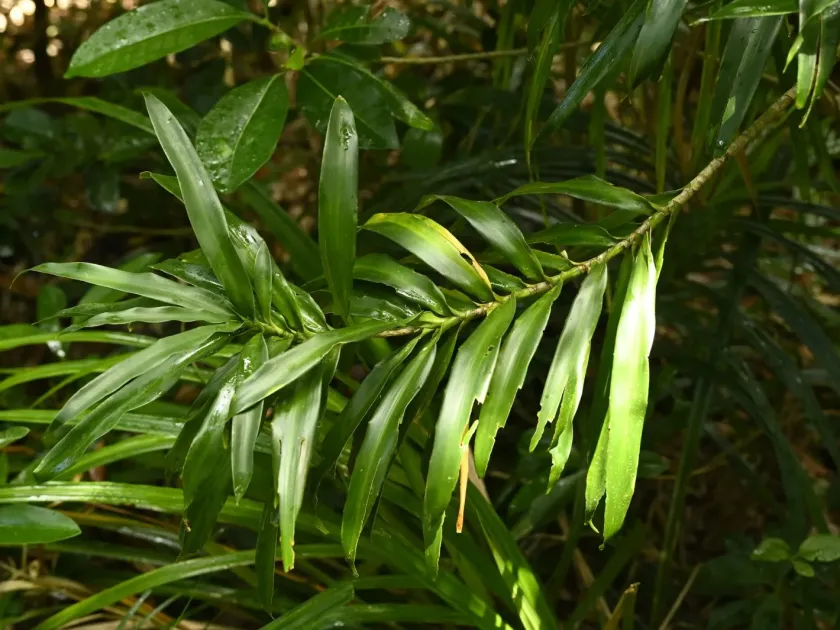
Description
Growing requirements
Dracaena angustifolia is a perennial woody plant belonging to the Asparagaceae family. Native to tropical regions of Southeast Asia and Northern Australia, this species typically thrives in the understory of moist forests, benefiting from filtered sunlight and high ambient humidity levels.
The botanical characteristics of this plant include slender, lanceolate leaves that can grow quite long, arranged in distinct clusters along a woody stem. As the plant matures, the lower leaves naturally shed, which is a standard biological process of its development into a tree-like form.
Agronomic requirements for this species include well-drained, nutrient-rich soil with a slightly acidic to neutral pH. Providing a consistent moisture supply without waterlogging the root system is essential for maintaining plant health and promoting steady growth throughout the season.
Temperature management is critical; the species performs best in a range between +18°C and +28°C. It is sensitive to frost and sudden cold drafts, which can cause severe physiological stress, leading to tissue damage and a significant reduction in the plant's decorative value.
The primary use of Dracaena angustifolia is in the ornamental plant industry, particularly for interior landscaping and as a foliage crop in greenhouse production. Its ability to tolerate low-light conditions makes it highly desirable for indoor environments, office buildings, and residential interior designs.
Main diseases and pests
The most common pests affecting this culture are spider mites, scale insects, and aphids. Integrated pest management practices, including regular biological monitoring and the application of targeted acaricides or insecticides, are necessary to ensure the high quality of the plants.
Pathogenic threats include root rot caused by species such as Phytophthora or Pythium, usually triggered by improper irrigation practices. Maintaining proper hygiene in greenhouses and optimizing watering intervals are the most effective preventive measures against these infections.