
Usambara Dracaena
Dracaena usambarensis
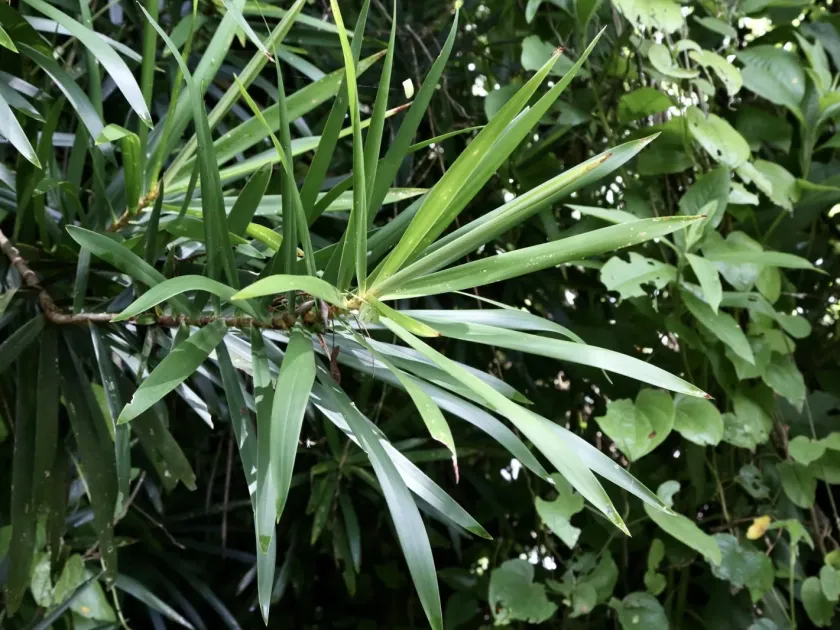
Description
Growing requirements
Dracaena usambarensis is a perennial woody ornamental plant belonging to the Asparagaceae family. It is recognized for its architectural structure and evergreen foliage, making it a desirable species for commercial floriculture and interior design.
The species is native to the Usambara Mountains in Tanzania, East Africa. It thrives in high-humidity environments characterized by mountainous tropical climates, which dictates the specific microclimate requirements in greenhouse production systems.
Ideal soil for this crop must be well-draining, porous, and nutrient-rich. In an agricultural setting, a substrate mix comprising organic peat, composted pine bark, and coarse sand is highly recommended to prevent root asphyxiation and promote vigor.
Climate control is essential, with an optimal temperature range of 20°C to 25°C. Excessive direct light must be avoided to prevent leaf chlorosis and necrosis, as the species is biologically adapted to the understory conditions of tropical forests.
Routine maintenance includes balancing irrigation with environmental humidity. Overwatering is the most common error in agrotechnical practice, as it promotes physiological stress and susceptibility to soil-borne pathogens.
Main diseases and pests
Major pests affecting this crop include spider mites and scale insects, which frequently infest plants under stressed conditions. Integrated pest management (IPM) strategies should be prioritized over broad-spectrum chemical applications.
Fungal infections such as Fusarium wilt and root rot pose significant threats to crop yield. Proper sanitation of tools, adequate spacing between specimens, and monitoring irrigation levels are the primary preventative measures for maintaining plant health.