
Dracaena umbraculifera
Dracaena umbraculifera
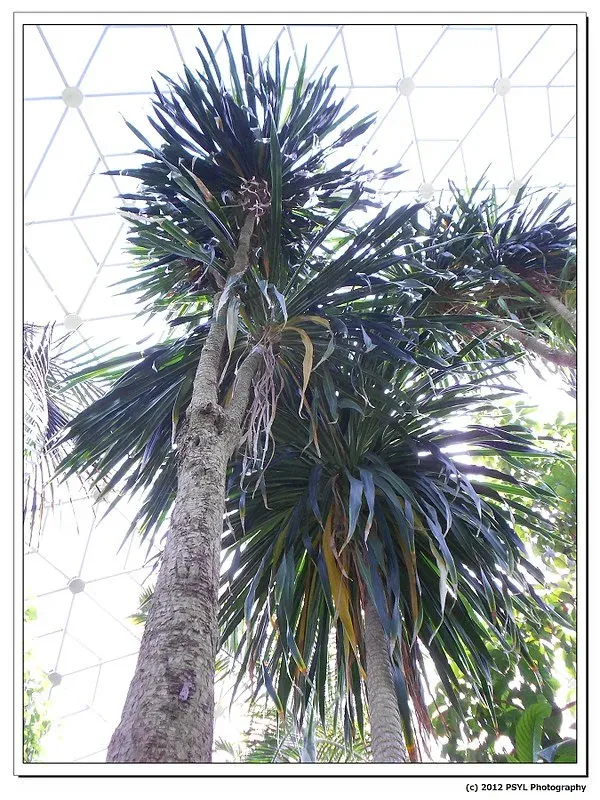
Description
Growing requirements
Dracaena umbraculifera is a member of the Asparagaceae family. This evergreen perennial originates from the tropical regions of Southeast Asia, where it thrives in the understory of dense forests, benefiting from filtered sunlight and consistently high ambient humidity levels throughout the year.
The botanical structure of this species is quite distinctive, characterized by its umbrella-like canopy. The leaves are long, leathery, and arranged in dense clusters at the apex of the stem. As the plant matures, it develops a woody trunk, creating a miniature tree-like form that is highly prized in indoor landscaping.
Temperature management is crucial for this crop, as it performs best within a range of 18°C to 25°C. It is particularly sensitive to cold drafts and significant temperature fluctuations, which can trigger leaf shedding and overall plant stress. Maintaining a steady, warm environment is essential for its long-term health.
For optimal growth, the soil must be well-draining, nutrient-rich, and aerated. A potting mix consisting of loamy soil and coarse sand is ideal to prevent root compaction. Providing a consistent moisture level without waterlogging the substrate is the main challenge in the agrotechnical maintenance of this dracaena.
From a utility perspective, Dracaena umbraculifera is cultivated primarily for its aesthetic appeal in interior design. Beyond its decorative value, it serves as an effective air-purifying plant, capable of filtering common indoor pollutants and contributing to a healthier environment in offices and homes.
Main diseases and pests
Common pests affecting this dracaena include spider mites, mealybugs, and scale insects, which often thrive in indoor conditions with low humidity. Regular cleaning of the leaf surfaces and maintaining optimal environmental moisture are effective strategies to prevent the onset of pest infestations.
Root rot caused by overwatering is a significant threat to the plant's survival. Signs of improper irrigation include yellowing or browning of leaf tips and soft, mushy stems at the base. Implementing a strict watering schedule based on soil moisture monitoring is the best way to avoid these physiological disorders.