
Dracaena trifasciata
Dracaena trifasciata
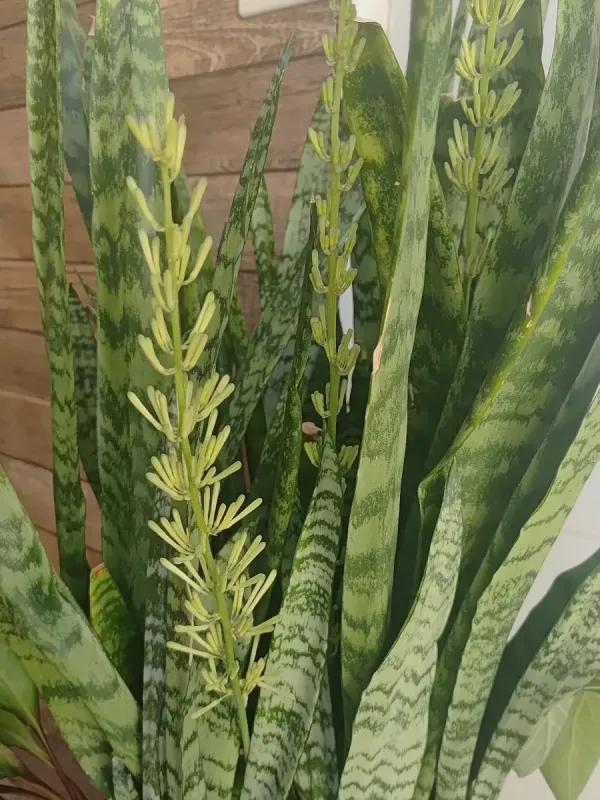
Description
Growing requirements
Dracaena trifasciata, formerly known as Sansevieria trifasciata, is a perennial herbaceous plant belonging to the Asparagaceae family. Originating from the arid regions of West Africa, it has evolved to thrive in low-water environments.
The plant is characterized by its stiff, sword-shaped leaves that grow in a rosette pattern. It exhibits a slow to moderate growth rate and is known for its remarkable ability to adapt to varying light conditions, from direct sunlight to deep shade.
Regarding soil requirements, the plant prefers a well-draining substrate. A mix of peat, sand, and perlite is ideal for preventing water retention around the rhizomes, which is critical for the overall health of the specimen.
Agronomic management involves maintaining temperatures between 18 and 30 degrees Celsius. Watering should be sparse; the substrate must be allowed to dry out completely between irrigation cycles to prevent physiological stress.
Commercially, the plant is highly valued for its air-purifying properties and aesthetic appeal. It is commonly cultivated in greenhouses and nurseries for both domestic and corporate indoor landscaping sectors.
Main diseases and pests
The most common disease affecting this crop is root rot, typically caused by waterlogged soil and poor aeration within the root zone.
Pest pressures primarily include mealybugs and spider mites, which can proliferate quickly in indoor environments with low humidity levels.
Effective management includes isolating infected plants and applying systemic insecticides or horticultural oils to eliminate the pest population.
Cultural control methods such as maintaining adequate air circulation and avoiding overhead watering are essential to reduce the risk of fungal infections.
Consistent monitoring and ensuring that the plant is not subjected to temperatures below 10 degrees Celsius will significantly boost its natural resistance.