
Sander's dracaena
Dracaena sanderiana
Description
Growing requirements
Dracaena sanderiana, commonly known as Sander's dracaena or lucky bamboo, is a perennial plant belonging to the Asparagaceae family. It is native to the tropical rainforests of Western Africa, where it thrives in shaded and humid environments.
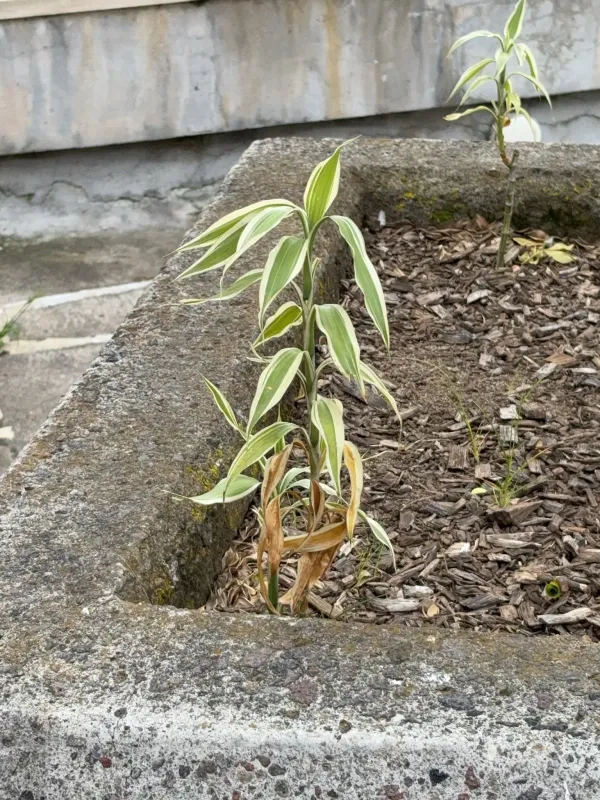
This crop is widely cultivated for ornamental purposes, favored for its adaptability to both soil-based cultivation and hydroponic systems. The plant is characterized by its slender, erect stems and lance-shaped leaves, which can be variegated with shades of green, yellow, or white.
Agronomic requirements include a temperature range of 18 to 28 degrees Celsius and diffused light conditions. Direct sunlight must be avoided to prevent foliar scorching and tissue degradation. It is a shade-tolerant species that requires consistent humidity for optimal development.
When grown in soil, the substrate must be well-draining and slightly acidic to neutral in pH. For hydroponic cultivation, it is essential to ensure the water is free from fluoride and chlorine, as these chemicals can cause significant leaf tip necrosis and general plant decline.
Propagation is primarily carried out via stem cuttings, which are highly efficient and produce uniform, high-quality decorative stems. The plant exhibits high phenotypic plasticity, allowing growers to train the stems into various shapes, including spirals and intricate weaves.
Main diseases and pests
Major threats to Dracaena sanderiana cultivation include fungal infections such as leaf spot and various root rots, often triggered by overwatering and poor drainage. Maintaining a sterile growing environment is crucial to minimize pathogen impact.
Pest pressures primarily involve spider mites, which proliferate under dry air conditions and feed on the underside of leaves. Scale insects and mealybugs may also infest the plant, extracting sap and weakening the structural integrity of the stems.
Management strategies rely on integrated pest management (IPM) practices, including the use of systemic insecticides, horticultural oils, and mechanical removal of pests. Regular monitoring of the plant's health is the first line of defense against infestations.
Environmental management, such as maintaining adequate airflow and avoiding high salinity in the nutrient solution, significantly reduces the susceptibility of the crop to opportunistic pathogens and stress-related diseases.
Proper sanitation, including the prompt removal of infected leaf segments and the use of clean tools during propagation, is fundamental to sustaining a productive and healthy crop throughout its growth cycle.