
Dracaena masoniana
Dracaena masoniana
Description
Growing requirements
Dracaena masoniana, commonly known as the Whale Fin Plant, belongs to the family Asparagaceae. This striking plant is native to Central Africa, where it thrives in rocky, arid environments. Its evolutionary adaptation to low-water conditions makes it a highly resilient houseplant species.
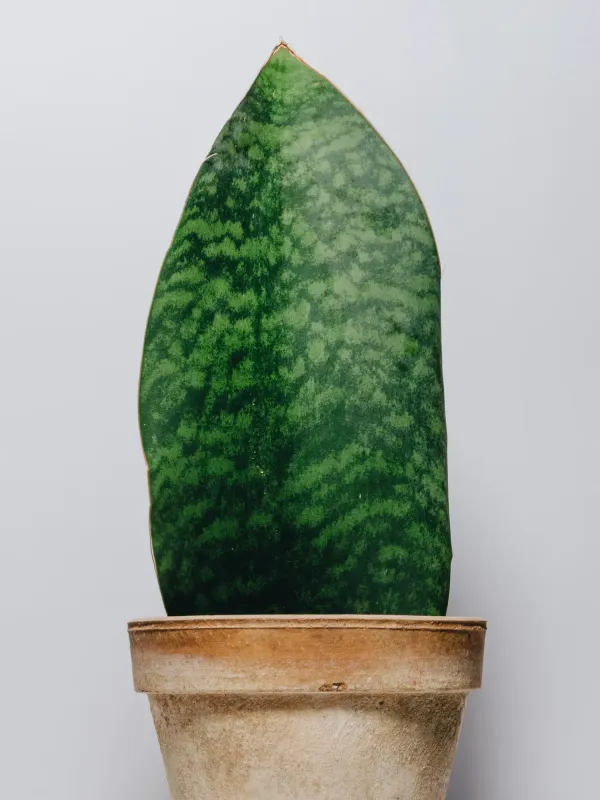
Botanically, it is characterized by its singular, massive leaf that can reach significant dimensions. The leaf is typically broad, paddle-shaped, and displays intricate variegated patterns of deep green and lighter markings. It grows slowly, forming a robust structure that is favored in modern interior design.
Cultivation requires a well-draining, porous soil mix, similar to those used for cacti and other succulents. It is critical to ensure that the container has adequate drainage holes to prevent the accumulation of water, which could lead to fatal root complications in this drought-tolerant species.
Environmental requirements include bright, indirect sunlight to maintain the vibrancy of the foliage. While it can survive in lower light conditions, its growth rate and color definition will be suboptimal. Consistent temperature levels, ideally between 18°C and 24°C, are necessary to prevent plant stress.
The plant is utilized almost exclusively for ornamental purposes, prized for its architectural form and ability to improve indoor air quality. It is an excellent choice for minimalists and busy professionals due to its low maintenance needs compared to many other tropical indoor foliage crops.
Main diseases and pests
The most common pests affecting Dracaena masoniana include mealybugs and scale insects. These pests feed on the nutrient-rich sap and hide in the crevices of the plant. Regular inspection and localized treatment with horticultural oils or insecticidal soap are effective methods for management.
Root rot is the most serious disease risk, almost always caused by overwatering or poor drainage. Symptoms include a mushy base of the leaf and a distinct foul odor coming from the soil. If detected early, the plant can sometimes be saved by repotting into fresh, dry substrate and trimming damaged roots.
Fungal leaf spot can occur if the humidity levels are too high and airflow is stagnant. Keeping the foliage dry and ensuring adequate spacing between plants will significantly reduce the likelihood of fungal outbreaks. Providing good air circulation is a primary preventive measure in greenhouse conditions.
Spider mites can occasionally infest the plant during periods of extremely low humidity, often resulting in small yellow stippling on the leaves. Increasing the ambient humidity slightly or wiping the leaves with a damp cloth can effectively deter these pests from establishing a colony on the broad leaf surface.
Physiological distress, such as brown leaf tips, is often a sign of water quality issues. Since the plant is sensitive to fluoride and chlorine, using filtered or distilled water is recommended to maintain the aesthetic integrity of the leaf margins and prevent chronic stress in the specimen.