
Dracaena maingayi
Dracaena maingayi
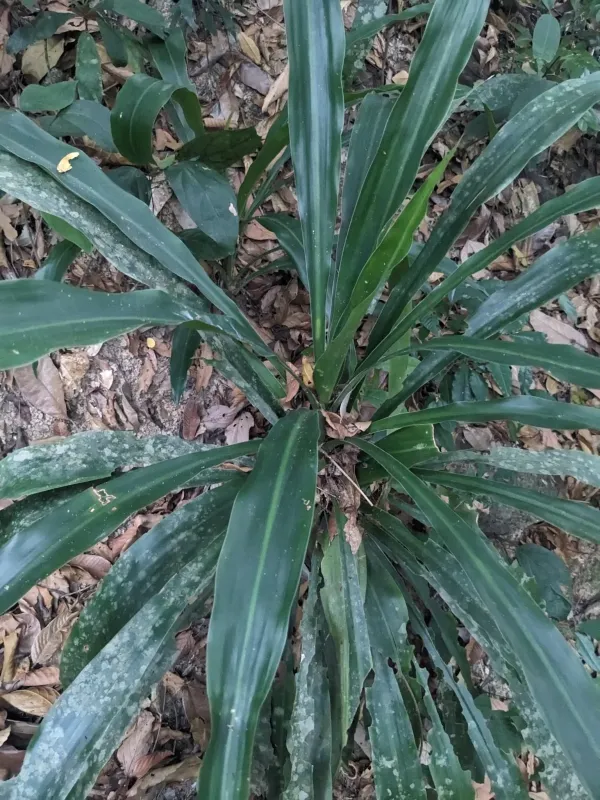
Description
Growing requirements
Dracaena maingayi is a distinct species belonging to the Asparagaceae family. This ornamental plant is native to the tropical forests of Southeast Asia, where it thrives in the understory layers.
The plant features woody stems and lanceolate foliage, which is highly valued in the commercial ornamental plant industry for interior landscaping and aesthetic appeal.
Optimal growth requires bright, indirect sunlight. Excessive exposure to direct sun can lead to leaf scorching, while insufficient light may cause leggy growth and loss of variegation.
The cultivation environment needs a well-draining potting medium rich in organic matter. Maintaining a pH level between 6.0 and 7.0 is ideal for nutrient uptake in this species.
Temperature management is critical; the plant thrives at temperatures between 20°C and 25°C. Prolonged exposure to temperatures below 15°C can cause significant physiological stress.
Main diseases and pests
Spider mites are a major pest for Dracaena maingayi, particularly in indoor environments with low relative humidity, which promotes their rapid reproduction.
Mealybugs can often be found hiding in the leaf axils, making them difficult to detect early and requiring persistent treatment with systemic insecticides or horticultural oils.
Root rot is the most common disease encountered, typically resulting from overwatering or poorly drained substrates that deprive the roots of necessary oxygen.
Leaf spot diseases, caused by various fungi like Colletotrichum, can affect the plant when air circulation is poor and humidity levels remain consistently too high.
Integrated pest management, including regular inspection of the foliage and proper sanitation practices, is essential to keep the crop healthy and commercially viable.