
Kona Dragon Tree
Dracaena konaensis
Description
Growing requirements
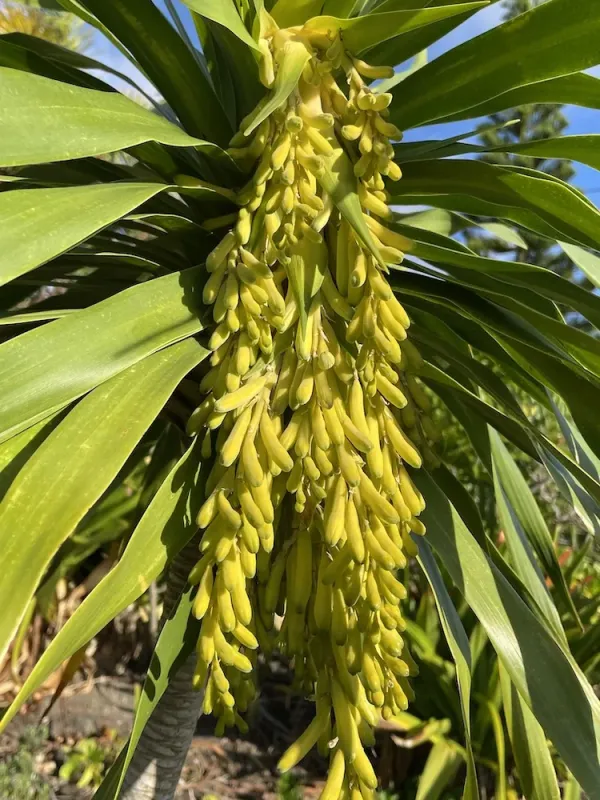
The Kona Dragon Tree (Dracaena konaensis) is a rare and distinct species belonging to the Asparagaceae family. This tree is native to the dry forests of the Hawaiian Islands, specifically adapted to the unique, nutrient-poor volcanic landscapes found on the island of Hawaii.
Cultivation of this species requires a well-draining, porous substrate that mimics its natural habitat. Growers typically use mixes containing lava rock, pumice, and organic matter to ensure that roots do not remain saturated with water for extended periods.
Light requirements for the Kona Dragon Tree involve high levels of ambient light. While the species can tolerate direct sun as it matures, young plants thrive best in partial shade, as excessive heat can scorch the foliage of immature specimens.
The optimal temperature range for the plant is consistent with tropical climates, ideally between 20°C and 30°C. It is essential to protect the tree from frost and sudden temperature drops, which can lead to cellular damage and structural decline.
Watering practices must be disciplined; the soil should be allowed to dry out significantly between irrigation cycles. Overwatering is the most common cause of failure when cultivating this rare dracaena, leading to irreversible root rot.
Main diseases and pests
The primary threats to the Kona Dragon Tree in managed environments are soil-borne pathogens. Fungal infections, specifically Phytophthora and Pythium, often develop when irrigation schedules are too frequent or drainage is compromised.
Pests such as scale insects (Coccidae) are common concerns. These sap-sucking insects attach themselves to the stems and leaf bases, weakening the plant. Regular monitoring and the application of horticultural oils or systemic insecticides are recommended.
Spider mites are another significant threat, particularly in environments with low relative humidity. These pests spin delicate webs on the underside of leaves, causing yellowing and premature leaf drop if not managed promptly.
Mealybugs can often infiltrate the tight gaps between leaves and stems. Their presence is marked by white, cottony deposits; they should be treated immediately with appropriate systemic treatments or targeted manual cleaning.
Nutrient deficiency may occur if the soil pH is not maintained at a slightly acidic to neutral level. Periodic analysis of the growing medium is advised to ensure that essential micro-nutrients remain bioavailable to the root system.