
Dracaena kaweesakii
Dracaena kaweesakii
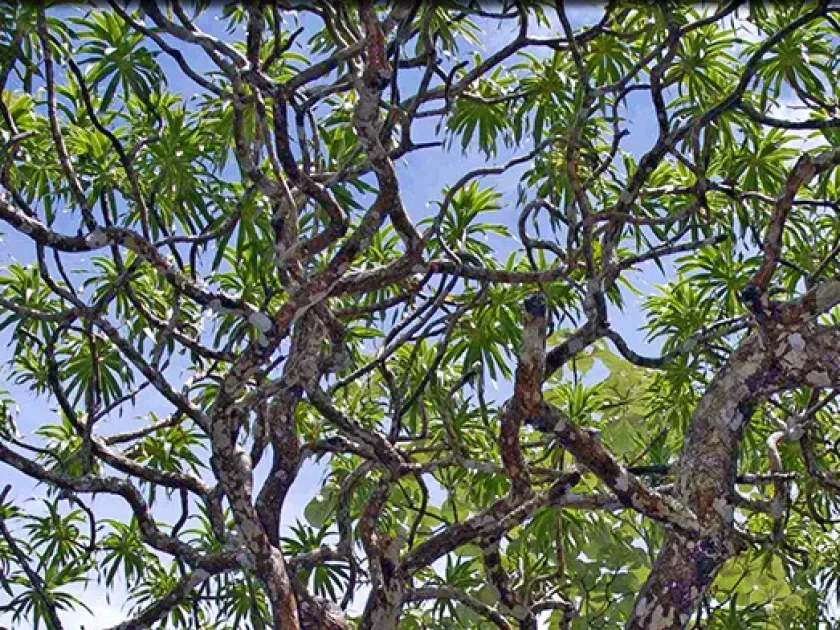
Description
Growing requirements
Dracaena kaweesakii is a distinctive arborescent species belonging to the Asparagaceae family. This plant is characterized by its dramatic silhouette and sword-shaped leaves, making it a highly prized specimen in specific botanical contexts and specialized plant collections.
The plant originates from the high-altitude limestone cliffs of Thailand, specifically within the Loei and Lopburi provinces. Its natural habitat is characterized by thin, rocky soils, which has shaped its physiological adaptations for drought tolerance and resource efficiency.
In terms of cultivation, this species requires a substrate that mimics its natural rocky environment, emphasizing excellent drainage and mineral composition. It thrives under bright, filtered light and requires a stable tropical temperature range throughout the year.
Watering practices must be handled with caution, ensuring that the soil does not remain waterlogged for extended periods. As a succulent-like woody plant, it is susceptible to rot if its roots are constantly saturated with moisture.
While not a traditional agricultural crop, Dracaena kaweesakii holds significant ecological and scientific importance. Its restricted distribution makes it a subject of conservation efforts, and it is largely maintained within botanical institutions to preserve genetic diversity.
Main diseases and pests
The primary threat to the wild populations of Dracaena kaweesakii is the destruction of its specific limestone habitat due to industrial activities. The loss of such specialized niches puts the entire species at risk, necessitating strict habitat protection.
In indoor or greenhouse settings, the plant is vulnerable to common nursery pests such as spider mites, mealybugs, and scale insects. These pests feed on the sap, causing foliage discoloration and overall plant decline if left unmanaged.
Fungal pathogens represent a major concern, particularly those that target the root system. Excessive soil humidity combined with poor ventilation often leads to root rot, which is frequently fatal for this slow-growing species.
Cultural errors, such as over-fertilizing with high-nitrogen compounds, can lead to structurally weak growth that is more susceptible to disease. A balanced approach to nutrition is essential for maintaining the plant's natural resistance to stressors.
Integrated pest management, including regular inspection and the use of targeted biological agents, is the recommended approach for maintaining healthy plants. Early detection of any anomaly in foliage or root condition is crucial for successful treatment.