
Hyacinth-leaved dracaena
Dracaena hyacinthoides
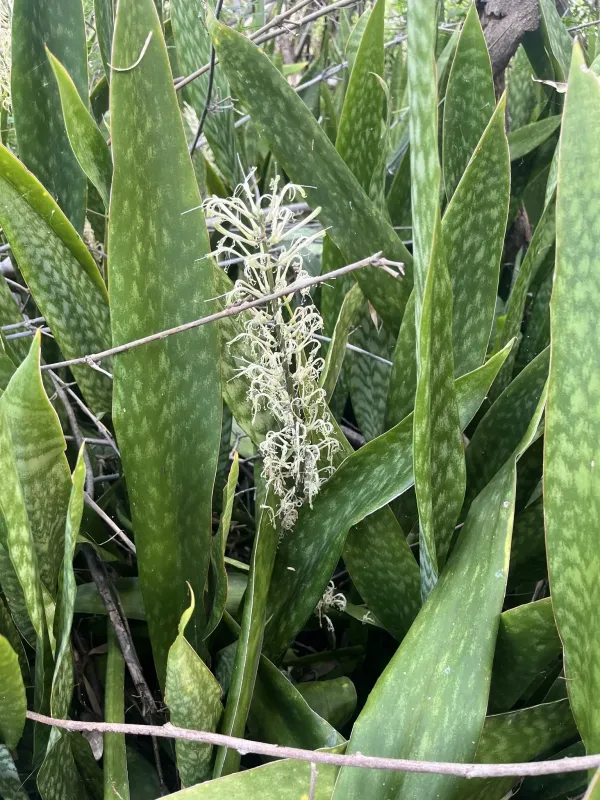
Description
Growing requirements
The Hyacinth-leaved dracaena belongs to the Asparagaceae family and is characterized by its succulent habit, which allows it to thrive in arid tropical environments. It develops thick, fibrous leaves that act as water storage organs, ensuring survival through prolonged dry seasons.
The species originates from African tropical regions where it typically inhabits rocky substrates and scrublands. For successful commercial cultivation, the plant requires consistent warm temperatures throughout the year, as it lacks any cold hardiness, making frost protection a primary concern.
Soil composition must prioritize aeration and rapid drainage to prevent root asphyxiation. Cultivators often utilize sandy-loam soils with added mineral aggregates to mimic the natural rocky habitats, ensuring that no standing water remains around the rhizomes.
Optimal growth and fiber accumulation depend heavily on light availability. While the plant can tolerate partial shade, maximum yield is achieved under bright, filtered light conditions, which promote the structural integrity of the long, narrow leaves.
Economically, the plant is valued for its fiber, which is harvested from the foliage. This material is noted for its high tensile strength and durability, making it a traditional choice for cordage, twine, and various forms of woven rustic textiles in its native range.
Main diseases and pests
The most common pathological threats include soil-borne fungal pathogens such as Pythium and Rhizoctonia, which manifest during periods of excessive soil moisture. Proper drainage management is the most effective preventative measure against these infections.
Pest management focuses on controlling sap-sucking insects like mealybugs and spider mites. These pests tend to flourish in the sheltered environments often provided for the cultivation of this species, necessitating careful monitoring and application of appropriate insecticides.