
Dracaena hanningtonii
Dracaena hanningtonii
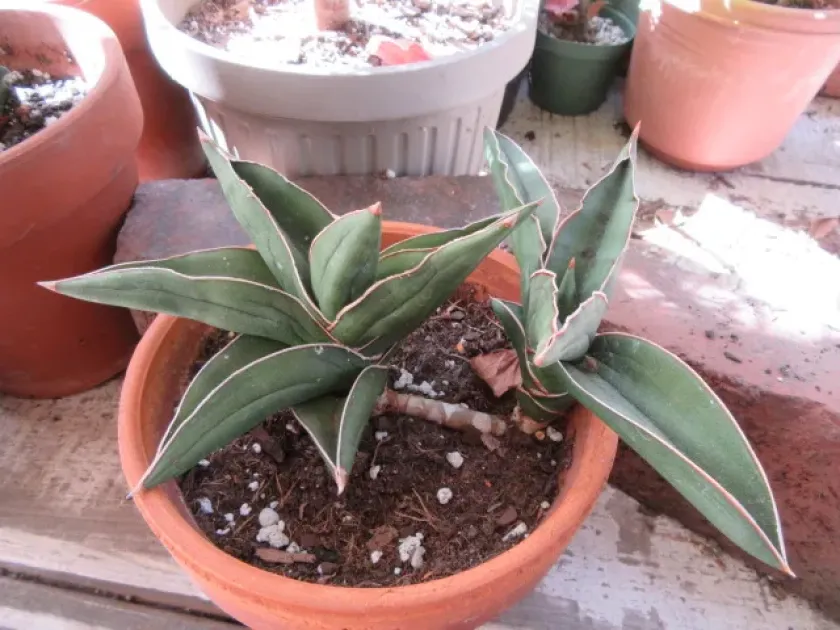
Description
Growing requirements
Dracaena hanningtonii is a perennial plant species within the Asparagaceae family. Originating from the tropical regions of Eastern Africa, it is widely recognized for its robust, sword-like foliage and architectural growth habit that fits well in various environments.
This species flourishes in bright, indirect light, which mimics the dappled sunlight found under the tropical forest canopy. Exposure to harsh direct sun should be avoided to prevent foliar damage and discoloration of the leaf surfaces.
The climate requirements include a warm environment with temperatures consistently between 20 and 26 degrees Celsius. It is crucial to maintain protection against cold drafts, which the plant finds highly stressful, potentially leading to systemic decline.
For optimal growth, the soil must be well-aerated and possess excellent drainage properties. A mix of peat, bark, and perlite is generally sufficient to prevent waterlogged conditions, which are the primary cause of root-related failures.
Proper cultivation techniques involve consistent watering cycles, allowing the substrate to partially dry out before the next irrigation. High humidity levels, provided by occasional misting, contribute significantly to the plant's overall health and aesthetic appeal.
Main diseases and pests
Dracaena hanningtonii is susceptible to common indoor plant pests, specifically spider mites and scale insects. These pests thrive in dry environments and can cause significant damage if left unchecked.
Root rot is the most significant disease threat, typically caused by fungi such as Phytophthora or Pythium, which proliferate in stagnant, overly wet growing media.
Mechanical damage to the leaves can also create entry points for opportunistic bacterial infections, which manifest as dark, water-soaked spots on the foliage.
Management strategy focuses on cultural practices, such as maintaining optimal airflow and avoiding overhead watering, which helps keep the foliage dry and healthy.
Chemical intervention should be considered a last resort; however, neem oil or specific horticultural soaps are effective against light infestations of mites or mealybugs.