
Dracaena cantleyi
Dracaena cantleyi
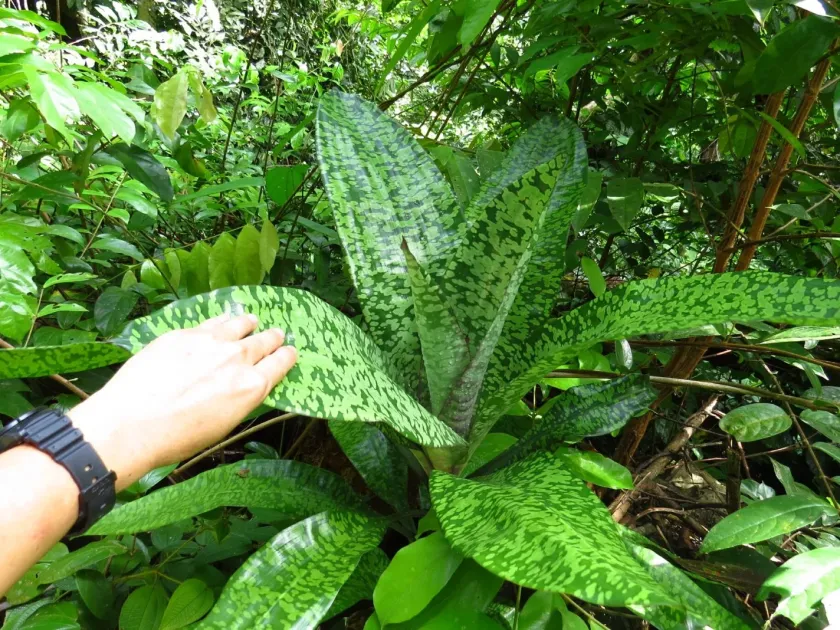
Description
Growing requirements
Dracaena cantleyi is a distinct species of evergreen shrub belonging to the Asparagaceae family. This plant is native to the tropical rainforests of Southeast Asia, specifically thriving in the understory of regions like the Malay Peninsula and Borneo.
Botanically, it is recognized for its elegant foliage and slow growth habit. The plant prefers high humidity levels and indirect lighting, which mimics the filtered sun of its natural habitat. It is a highly valued ornamental species in botanical collections and specialized interior horticulture.
The substrate must be well-aerated and rich in organic matter to support the plant's root system. Proper drainage is the most critical factor in soil management, as the species is highly sensitive to waterlogged conditions which often lead to root deterioration.
Climate requirements include maintaining a consistent temperature range between +22°C and +28°C. The plant does not tolerate cold drafts or sudden temperature shifts, making it suitable for climate-controlled greenhouse environments or stable indoor settings.
Agricultural management involves routine monitoring of humidity levels. During the active growing season, balanced liquid fertilization is recommended every 4-6 weeks to promote healthy foliage development and maintain the plant's robust structure.
Main diseases and pests
Pathogenic threats to Dracaena cantleyi primarily involve fungal pathogens, such as Fusarium or Rhizoctonia, which proliferate under damp and stagnant conditions. Implementing a rigorous irrigation schedule is essential to mitigate these biological risks.
Insect pests, specifically spider mites and scale insects, present a significant challenge in indoor cultivation. These pests thrive in dry air conditions, necessitating the use of systemic pesticides or horticultural oils to manage populations without damaging the delicate leaves.