
Dracaena canaliculata
Dracaena canaliculata
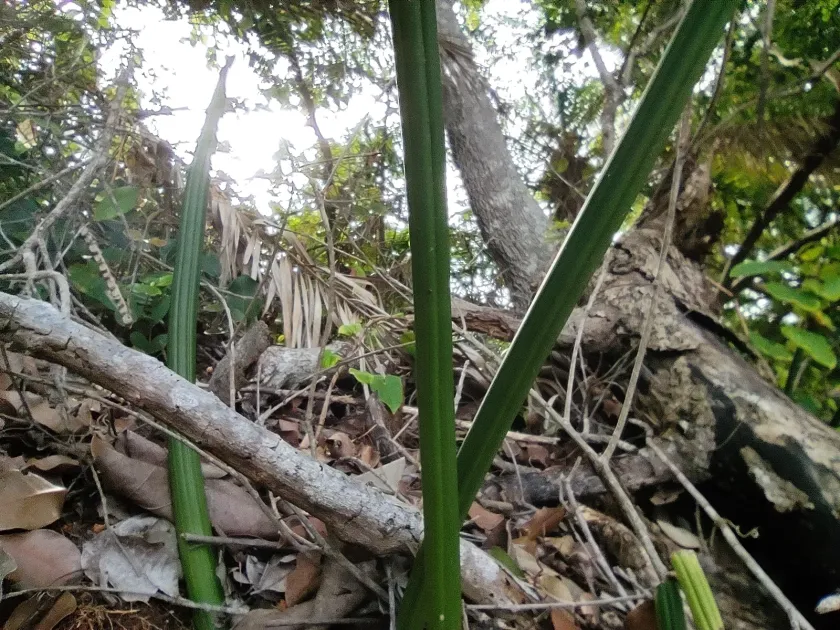
Description
Growing requirements
Dracaena canaliculata is an evergreen perennial plant belonging to the Asparagaceae family. Native primarily to Madagascar, it thrives in arid and rocky environments, adapting to harsh conditions through its specific leaf morphology and root structure.
Botanically, this species is defined by its channelled, leathery leaves that are arranged in a rosette pattern. These features are evolutionary adaptations to minimize water loss and maximize resilience against prolonged exposure to sunlight and heat in its natural habitat.
Successful cultivation requires a well-draining substrate mix, ideally composed of a blend of organic matter, sand, and perlite. Proper drainage is essential to prevent water accumulation, which can cause significant stress to the plant's root system over time.
The plant demonstrates high adaptability to temperature, preferring a range between 20°C and 25°C for optimal growth. While it can withstand short periods of cooler temperatures, maintaining a steady climate is recommended for year-round vigor.
Light management is crucial, as the species requires bright, indirect light to maintain its vibrant appearance. Excessive exposure to direct noon sun can damage the leaf cuticles, while insufficient light may result in etiolated growth and weakened stems.
Main diseases and pests
Common pests affecting Dracaena canaliculata include spider mites, which flourish in low-humidity environments. These mites feed on the sap of the leaves, causing discolouration and overall decline in the plant's physiological health if left unmanaged.
Root rot is the most prevalent pathological threat, often induced by overwatering or poor soil aeration. This condition creates an anaerobic environment that fosters the growth of destructive oomycetes and fungal pathogens, leading to rapid decay of the root system.
Mealybugs represent another significant challenge, as they tend to congregate in leaf axils where they are protected from contact insecticides. Manual removal combined with systemic treatment is often necessary to eliminate these persistent infestations effectively.
Leaf tip necrosis may occur due to fluoride toxicity or high salt concentrations in the irrigation water. Growers should monitor water quality regularly and flush the soil with distilled or purified water to maintain the chemical balance of the growing medium.
To ensure long-term crop health, regular preventative maintenance, including sanitation of the growing environment and early monitoring for signs of stress, is highly recommended. Implementing an integrated pest management program will significantly reduce disease outbreaks.