
Dracaena bicolor
Dracaena bicolor
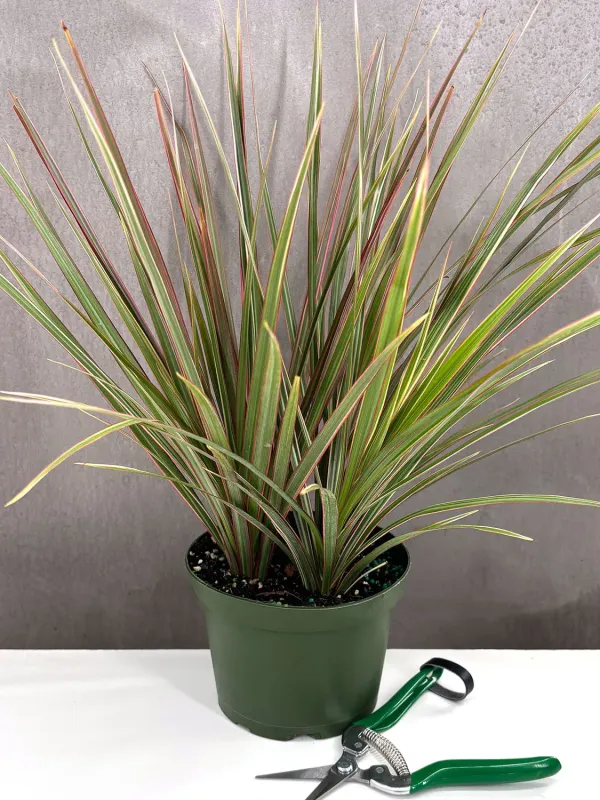
Description
Growing requirements
Dracaena bicolor belongs to the Asparagaceae family. This perennial evergreen plant is native to the tropical forests of Africa, thriving in humid and shaded environments with loose, nutrient-rich, and organic soil compositions.
For optimal growth, this crop requires a stable temperature range between +20 and +25 degrees Celsius. The plant is highly sensitive to sudden temperature fluctuations and cold drafts, which can lead to significant leaf drop and a loss of aesthetic value.
Lighting should be bright but indirect, as direct sunlight can cause severe scorching on the leaf blades. Insufficient light results in the fading of the bicolor variegation, causing the stem to stretch abnormally and lose its compact structural form.
Irrigation requires maintaining a delicate balance: the soil should remain consistently moist, yet stagnant water in the drainage tray is lethal to the root system. It is advised to use room-temperature water and regularly mist the foliage to sustain high humidity levels.
The cultivation substrate must have a slightly acidic to neutral pH. A standard mixture includes turf soil, leaf humus, peat, and coarse sand in equal ratios to ensure efficient drainage and proper root aeration.
Main diseases and pests
The primary pests affecting Dracaena include spider mites and scale insects. These organisms feed on plant cell sap, leading to the appearance of small light-colored spots, leaf deformation, and the gradual wilting of the entire aerial part of the plant.
Mealybugs often infest the crop when humidity levels are poorly managed. They are easily identified by a characteristic white, cotton-like substance in the leaf axils, which necessitates an immediate application of systemic insecticides.
Fungal diseases, such as Alternaria leaf spot and Phyllosticta, appear as brown lesions with yellow halos. These pathogens typically develop under conditions of overwatering and inadequate ventilation in the room where the plant is housed.
Root rot is a hidden threat caused by excessive watering. Early warning signs include the softening of the stem base and a foul odor emanating from the soil, indicating the urgent need for repotting and the removal of damaged root tissues.
Effective disease prevention relies on strict adherence to agrotechnical standards: regular inspections of the leaves, keeping the crown free of dust, and ensuring proper drainage in containers to prevent moisture accumulation at the base.