
Felty rose
Rosa tomentosa Sm.
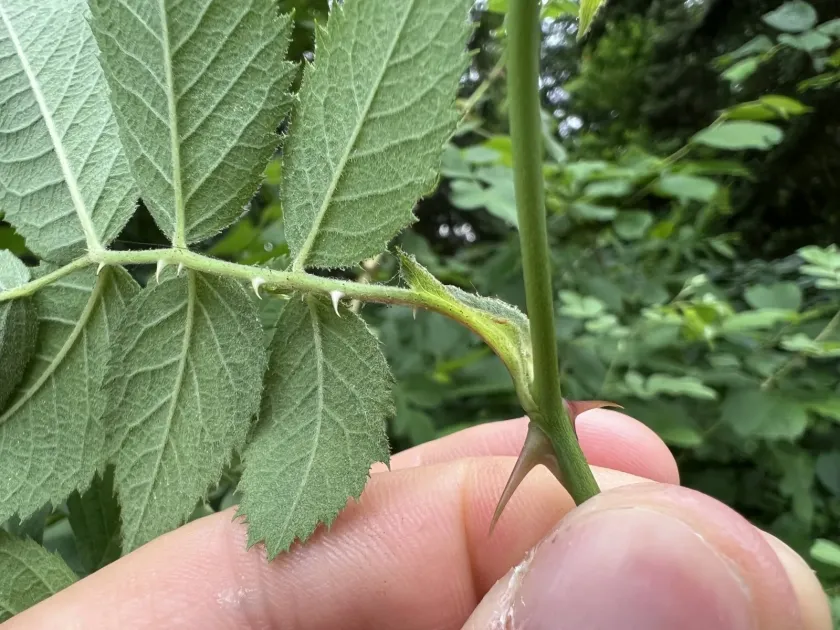
Description
Growing requirements
The felty rose (Rosa tomentosa) is a hardy shrub belonging to the Rosaceae family, widely recognized for its adaptability to diverse European environmental conditions.
This species thrives in sunny locations, requiring adequate exposure to light for optimal vegetative growth and the development of high-quality fruit.
It prefers well-drained soil ranging from loam to sandy loams, showing a strong tolerance for various pH levels, though it performs best in slightly acidic to neutral ground.
The shrub is naturally resistant to cold winters, making it a reliable crop for temperate regions where frost hardiness is a critical requirement for survival.
Agricultural management should focus on maintaining consistent soil moisture levels during the flowering and fruit-setting stages to ensure commercial viability.
Yield
The primary economic value of the felty rose lies in its hips, which are rich in vitamin C, polyphenols, and essential antioxidants used in the pharmaceutical industry.
Productivity is closely linked to the age of the shrub and the implementation of systematic pruning techniques to encourage the growth of new fruiting wood.
When managed properly, the crop provides consistent yields, serving both the food processing sector and the production of natural health supplements.
Beyond fruit production, the felty rose serves an important ecological role, often being planted for soil stabilization and the creation of biodiversity-friendly hedges.
Optimal yields are typically achieved through dense planting patterns and the application of balanced fertilization to support annual biomass production.
Main diseases and pests
Powdery mildew represents the most frequent challenge for Rosa tomentosa, especially in humid and stagnant air conditions where fungal spores proliferate rapidly.
Rust diseases are also common, causing characteristic spots on foliage that can significantly reduce the plant's metabolic energy and seasonal yield.
Pest pressure from aphids and sawflies can cause stunted growth, requiring regular field scouting to apply necessary integrated pest management interventions.
Preventive strategies include proper spacing of bushes to ensure air circulation and the prompt removal of infected plant tissues to curb disease spread.
- Strategic pruning to maintain open canopy
- Monitoring for early signs of leaf infestation
- Application of fungicides during critical growth stages
Harvesting
Harvesting should be timed precisely to coincide with the full maturity of the hips, typically indicated by a deep, uniform color and the correct fruit texture.
Due to the thorny nature of the stems, harvesting is a labor-intensive task, necessitating the use of protective gear to ensure worker safety and fruit integrity.
Post-harvest handling is critical; fruits must be kept in breathable containers to avoid heat buildup and spoilage before they reach the processing facility.
Drying remains the most common method of preservation, requiring controlled airflow to maintain the biological activity of the harvested produce.
Efficient supply chain management, from the field to the drying rack, is essential for maintaining the high standards demanded by the modern medicinal herb market.