
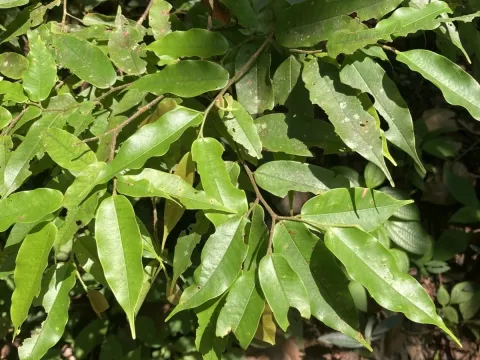
Doona
Doona
The genus Doona belongs to the Dipterocarpaceae family, comprising a group of majestic evergreen trees endemic to the tropical rainforests of Sri Lanka. These trees are key components of the primary forest canopy.
What the section contains


Doona
They require a tropical climate characterized by consistently high temperatures throughout the year and significant rainfall. Exposure to dry spells or extreme temperature fluctuations can be detrimental to their survival and growth rate.
Regarding soil requirements, these trees thrive in deep, nutrient-rich, and well-drained soils typical of humid rainforest environments. Soil moisture retention is essential, but proper drainage is necessary to prevent root rot.
Cultivation practices for Doona are challenging because of the species' specialized ecological niche. The seeds are recalcitrant and lose viability quickly, which necessitates immediate planting after harvesting during the rainy season.
In terms of хозяйственное usage, these trees provide high-quality timber used in specialized carpentry and construction. Today, however, conservation and biodiversity restoration have become the primary objectives for the genus.
The primary threat to the genus Doona is the ongoing degradation of tropical forest habitats due to human activity. Land clearing for agriculture and plantation development poses a severe risk to wild populations.
Pathological risks include fungal infections that exploit weakened trees or damaged bark. Maintaining a high level of environmental hygiene and forest density is crucial for natural resistance against these pathogens.
Pest pressures are significant, particularly from specialized seed-boring insects. These pests can consume a large proportion of a seed crop, severely impacting the natural recruitment and regeneration of new saplings.
Invasive plant species present a competitive threat by overgrowing young saplings and depriving them of essential sunlight. Ongoing management efforts often involve removing these invasive species from protected forest areas.
Conservation status is a major focus, as several species are classified as endangered. International and local research projects are dedicated to understanding their life cycle to ensure long-term population stability.