
Hopea acuminata
Hopea acuminata
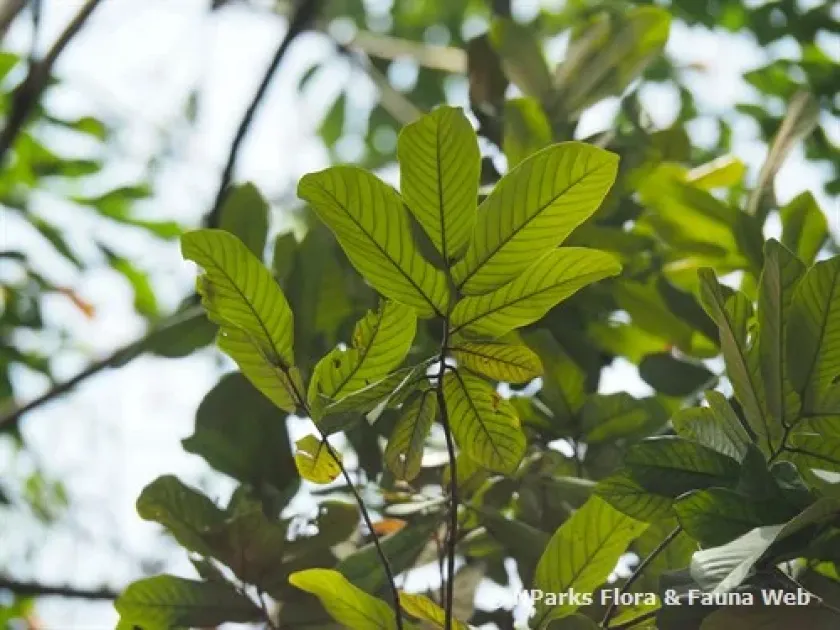
Description
Sowing dates
Hopea acuminata is not a traditional field crop, so propagation begins with collecting viable seeds immediately after they mature, as they lose viability rapidly.
Seeds should be sown in nursery containers under controlled conditions with high humidity to ensure successful germination and seedling development.
Transplanting seedlings to their permanent forest location is best performed at the start of the rainy season to support rapid root establishment.
Spacing between trees must be carefully planned to provide sufficient room for canopy expansion as the trees mature over many years.
Young seedlings require artificial shading to protect them from intense direct sunlight during the critical initial years of growth.
Growing requirements
This species belongs to the Dipterocarpaceae family, which thrives in the tropical rainforest environments of Southeast Asia.
The crop requires a stable, warm tropical climate year-round, as it is highly sensitive to cold spells and temperature fluctuations.
Soil requirements include deep, well-draining substrates, typically rich in organic matter found in tropical forest floor conditions.
High atmospheric humidity is essential for the healthy physiological development of Hopea acuminata in managed forest stands.
Site selection should focus on areas with natural drainage to prevent the root rot associated with prolonged waterlogging.
Yield
Yield for this species is measured by the volume of high-quality hardwood timber produced over a long-term production cycle.
Growth rates are moderate, necessitating long-term forest management strategies to maximize the economic return of the plantations.
The wood is highly valued in the market for its durability, resistance to rot, and excellent structural properties.
Applications include premium construction projects, heavy-duty furniture, and architectural elements that require strength and stability.
Systematic maintenance of the plantation, including weed control and thinning, is required to optimize wood output quality.
Main diseases and pests
Fungal infections pose a significant threat to young plantations, especially in areas with poor airflow and stagnant high humidity.
Stem-boring insects are common pests that can degrade timber quality by damaging the vascular tissues of the tree trunk.
Herbivorous wild animals can cause severe damage to young saplings, making site protection measures such as fencing necessary.
Stressed or damaged trees often become focal points for diseases, requiring regular sanitary inspections and removal if necessary.
- Regular health assessment of trunks.
- Biological pest control applications.
- Clearing invasive weeds from the immediate planting site.
Harvesting
Harvesting is strictly regulated and occurs only when the trees reach the technical maturity defined in the forest management plan.
Timber extraction methods prioritize minimal impact on the surrounding forest ecosystem to preserve the health of the remaining stand.
Proper post-harvest processing is critical, including specific drying techniques to prevent warping and cracking of the hardwood.
Timber is sorted based on quality and size at the harvest site to ensure efficient utilization of the extracted raw material.
Replanting efforts must follow immediately after harvesting to ensure the long-term sustainability of the forestry operation.