
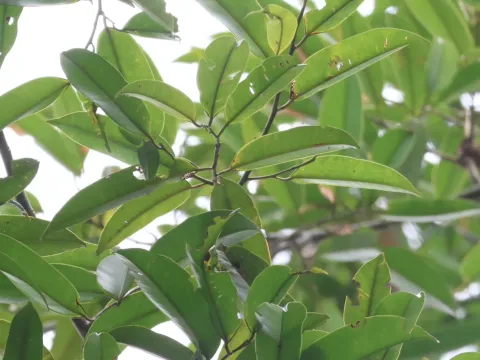
Dryobalanops
Dryobalanops
Dryobalanops is a genus of evergreen trees belonging to the family Dipterocarpaceae. These giants can grow up to 60 meters in height, playing a vital role in the ecosystem of the tropical rainforests of Southeast Asia, particularly on the islands of Borneo and Sumatra.
What the section contains


Dryobalanops
The culture requires a tropical climate characterized by high humidity and consistent temperatures throughout the year. It does not tolerate cold snaps, making it unsuitable for cultivation in temperate or subtropical latitudes outside of controlled environments.
Regarding soil requirements, Dryobalanops thrives in deep, fertile, and well-drained soils. The plant requires excellent soil aeration and a steady supply of nutrients, often found in the organic-rich layers of rainforest ground.
The agrotechnology for Dryobalanops involves delicate seedling management. Young trees need significant shading during their early stages of growth, mimicking the canopy cover of their natural habitat to protect them from direct, intense sunlight.
The economic value of this genus is high, centered on the production of kapur wood, prized for construction and furniture-making, and the extraction of borneol camphor, which is highly valued for medical and industrial applications.
The primary threats to the health of Dryobalanops populations include soil-borne pathogens and various fungal infections that can lead to root rot. These issues are exacerbated in areas with poor drainage or excessive soil moisture.
Wood-boring insects represent a significant pest concern. By creating galleries within the stem, these pests not only damage the growth but also reduce the commercial value of the timber produced by the trees.
Environmental degradation, including the loss of forest biodiversity, makes the trees more susceptible to outbreaks of disease. Maintaining a balanced ecological system is crucial for the natural defense of these plantations.
Integrated pest management (IPM) strategies are rarely applied in native habitats but are essential for sustainable forestry projects involving the cultivation of these species in managed plantations.
Climate change poses a long-term risk, as shifts in precipitation patterns can stress the trees, rendering them more vulnerable to endemic pests and secondary infections that would otherwise be controlled by the tree's own immunity.