
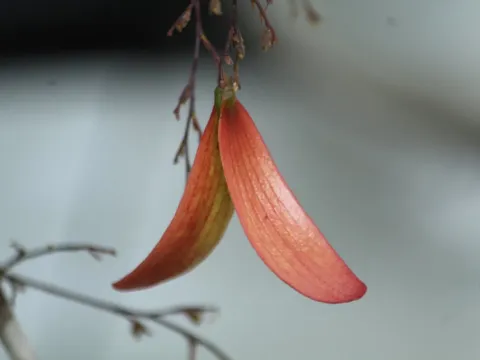
Hopea
Hopea
Hopea is a genus of tropical trees belonging to the family Dipterocarpaceae. These trees are essential components of the tropical rain forests in South and Southeast Asia, known for their majestic stature and ecological importance in carbon sequestration.
What the section contains

Hopea
The genus thrives in regions with a stable tropical climate, characterized by high humidity and consistent temperatures. Optimal soil conditions include deep, well-drained, and nutrient-rich substrates, which are typical of natural forest ecosystems in their native range.
Botanically, Hopea trees are evergreen, featuring leathery leaves and specialized structures for seed dispersal. Some species are known for producing resin, which has historically been used in traditional medicine and industrial applications.
Economically, the primary focus is the timber industry. The wood is highly sought after for its exceptional density, strength, and resistance to environmental degradation, making it ideal for construction, decking, and ship building.
Silvicultural practices for Hopea involve careful management of light conditions, as seedlings require canopy shade for initial establishment before eventually reaching the upper forest layers as mature trees.
Fungal pathogens represent the most significant threat to the root health of these trees, particularly in waterlogged or disturbed soils.
Wood-boring insects, such as Scolytinae, can infest the trunks of mature trees, causing extensive damage to the heartwood and sapwood.
Habitat fragmentation due to land-use change significantly reduces the viability of wild populations and disrupts natural ecological corridors.
Over-harvesting remains a primary concern, as many species within the genus are slow-growing and struggle to recover from intense extraction.
Climate change poses a risk by altering rainfall patterns, which affects the synchronized flowering and fruiting cycles crucial for natural regeneration.