
Doona zeylanica
Doona zeylanica
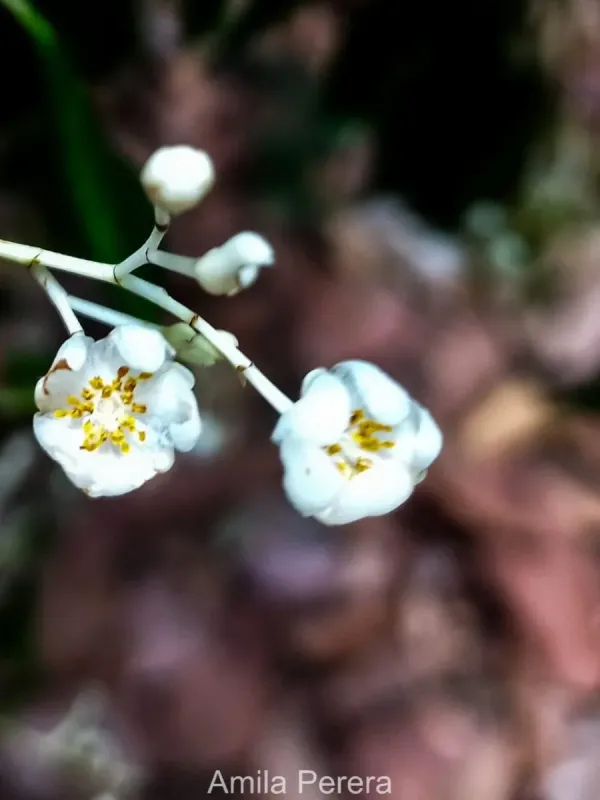
Description
Growing requirements
Doona zeylanica is a majestic evergreen tree species that belongs to the Dipterocarpaceae family. It is an endemic species strictly found within the moist tropical rainforests of Sri Lanka, representing a significant component of the local forest biodiversity.
The tree thrives in environments characterized by high annual precipitation and stable tropical temperatures. It requires a humid climate throughout the year, as it lacks the physiological mechanisms to cope with extended periods of drought or significant cooling.
Regarding soil conditions, this species favors deep, fertile, and well-drained substrates. The presence of adequate soil aeration is crucial for the health of its root system, making the tree unsuitable for environments prone to waterlogging or compaction.
Botanically, Doona zeylanica is known for its height and straight bole, which allows it to compete for light within the upper canopy of the rainforest. The reproductive cycle is closely tied to the specific environmental cues of the tropical forest floor.
Historically, the timber of Doona zeylanica was prized for its durability and strength, leading to its usage in various construction sectors. However, due to its conservation status, current usage is strictly regulated to ensure the long-term survival of the species.
Main diseases and pests
The primary threat to the existence of Doona zeylanica is the widespread fragmentation of its native habitat. As tropical forest cover decreases, the connectivity between remaining populations is compromised, hindering natural pollination and seed dispersal.
Pathogenic attacks are often observed when the tree is subjected to environmental stress. Fungal infections can penetrate the sapwood, causing rot and reducing the structural integrity of the timber, particularly in trees already weakened by drought or injury.
Pest pressures include various wood-boring beetles that specifically target Dipterocarp species. These insects can cause extensive damage to the trunk, acting as vectors for secondary pathogens that further degrade the health of the individual tree.
Seed predation by small mammals and forest-dwelling insects remains a significant obstacle to natural regeneration. The low rate of successful seedling establishment in disturbed areas further threatens the demographic stability of the population.
Conservation strategies focus on protecting critical habitats and maintaining the integrity of the soil environment to support tree health. Active monitoring and restoration initiatives are essential to protect this species from further decline in the wild.