
Doona congestiflora
Doona congestiflora
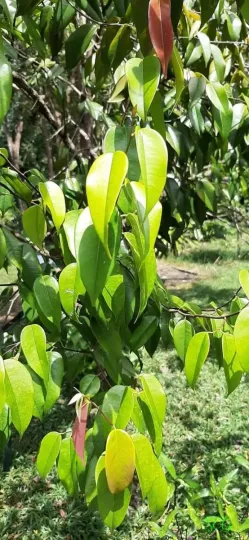
Description
Growing requirements
Doona congestiflora is a prominent member of the Dipterocarpaceae family, natively found in the wet tropical forests of Sri Lanka. It thrives in high-humidity environments and is characteristic of lush, evergreen forest ecosystems.
The species requires deep, fertile, and well-draining soils rich in organic matter. Its development is dependent on a stable microclimate, which provides constant moisture and protects the tree from sudden thermal shifts.
Growing conditions for this species are strictly tied to its natural habitat's elevation and rainfall patterns. As a canopy-forming tree, it prefers high-shade levels during its juvenile growth stage.
Water availability is the primary factor for its health; the tree cannot withstand prolonged periods of drought. Annual precipitation levels in its endemic regions ensure the consistent moisture required for its metabolic processes.
Successful cultivation outside its endemic range is extremely difficult due to the inability of the species to adapt to varying light intensities and irregular water supply in non-tropical climates.
Main diseases and pests
The primary threat to Doona congestiflora is the destruction of its natural forest habitat. Land clearing for industrial or agricultural purposes remains the most significant risk to its long-term survival.
Pests, particularly wood-boring insects, represent a biological threat to mature trees. These pests often exploit weakened individuals, especially those stressed by environmental changes or human-induced degradation.
Pathogenic fungi can lead to root rot if the soil environment becomes anaerobic due to improper drainage or water stagnation. These conditions often arise in fragmented forest patches.
Climate change poses a long-term risk, as altered rainfall cycles directly impact the tree's ability to reproduce. Reduced moisture leads to a higher vulnerability to opportunistic diseases and parasite infestations.
Conservation strategies are focused on habitat protection rather than direct pest control, as the species is sensitive to synthetic chemicals used in broad-spectrum agricultural pest management.
Harvesting
Harvesting of this species is currently prohibited or strictly regulated, as it is classified as a rare and protected tree species within its native country. Commercial use is not encouraged.
Scientific harvesting of seeds is conducted only for the purpose of genetic preservation and restoration of degraded forest areas. This is performed by trained forestry specialists under environmental monitoring.
Traditional uses of the timber were limited to local construction; however, today the focus is on preserving the living tree rather than extracting its biomass. The species holds significant value for biodiversity conservation.
Forest management strategies prioritize the natural regeneration of existing populations. Efforts are directed towards planting saplings in protected areas to ensure the continuity of the species.
Future management of Doona congestiflora will likely remain focused on ecological research and forest restoration, aiming to restore historical population levels in the lowland wet zone of Sri Lanka.