
Diplazium sibiricum
Diplazium sibiricum
Description
Growing requirements
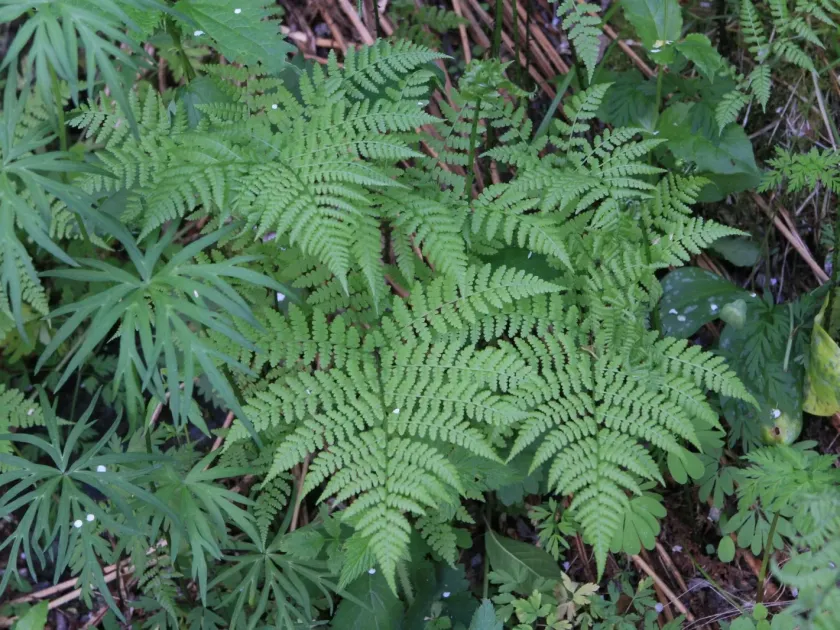
Diplazium sibiricum, commonly known as the Siberian lady fern, belongs to the Athyriaceae family. It is a perennial woodland plant native to the moist, temperate regions of Siberia, the Far East, and parts of North America, where it thrives in shaded forest understories.
The primary requirement for successful cultivation is a shaded environment with minimal direct sunlight. Intense light can scorch the delicate, bipinnate fronds of the fern, leading to poor plant vigor and dehydration.
Ideal soil conditions include well-drained, humus-rich, and slightly acidic forest soils. The substrate must remain consistently moist but not waterlogged, as the rhizomes of the fern are susceptible to rot if subjected to poor drainage.
Agronomic management focuses on humidity control. During dry spells, supplemental irrigation and misting are necessary to maintain the turgor pressure of the foliage and ensure the plant remains healthy throughout the active growing season.
This species is exceptionally cold-hardy, capable of surviving harsh winter conditions in temperate zones without special protection. It naturally enters dormancy during the winter months and regenerates from its rhizomes in the spring.
Harvesting
In terms of utilization, Diplazium sibiricum is primarily valued as an ornamental plant in landscaping. It is used to add textural diversity to woodland gardens, shaded rockeries, and border plantings where other flowering plants might struggle.
Propagation is most efficiently achieved through the division of the rhizomes in early spring. When planting, it is crucial to ensure that the buds are positioned correctly to facilitate healthy vertical growth of the new fronds.
While the fern can be grown from spores, this method is labor-intensive and rarely used in standard gardening practice. Vegetative division remains the most reliable method for home gardeners and nursery production.
Maintenance includes light mulching with organic material such as shredded bark or leaf mold. This practice helps preserve soil moisture, suppress weeds, and enrich the soil over time with necessary nutrients.
Sanitation practices involve the removal of old, necrotic fronds at the end of the season. This maintains the aesthetic appeal of the garden and reduces the potential for fungal buildup in the plant crown.