
Diplazium proliferum
Diplazium proliferum
Description
Growing requirements
Diplazium proliferum is a perennial fern belonging to the Aspleniaceae family. It is native to tropical regions of Asia and is highly valued as a vegetable crop for its nutritious and tender fronds.
The plant requires a tropical environment with consistently high humidity and warm temperatures. It thrives best in shaded or semi-shaded areas, as direct sunlight can easily damage the delicate leaf structure and reduce the overall quality of the harvest.
The soil should be rich in organic matter and maintain high moisture retention capabilities. Good drainage is also essential to prevent waterlogging, which can lead to fungal infections and root decay in this species.
Agricultural practices focus on mimicking the plant's natural habitat. Consistent irrigation is required, and the use of mulch can help maintain soil moisture levels and provide the necessary nutrients for vigorous vegetative growth.
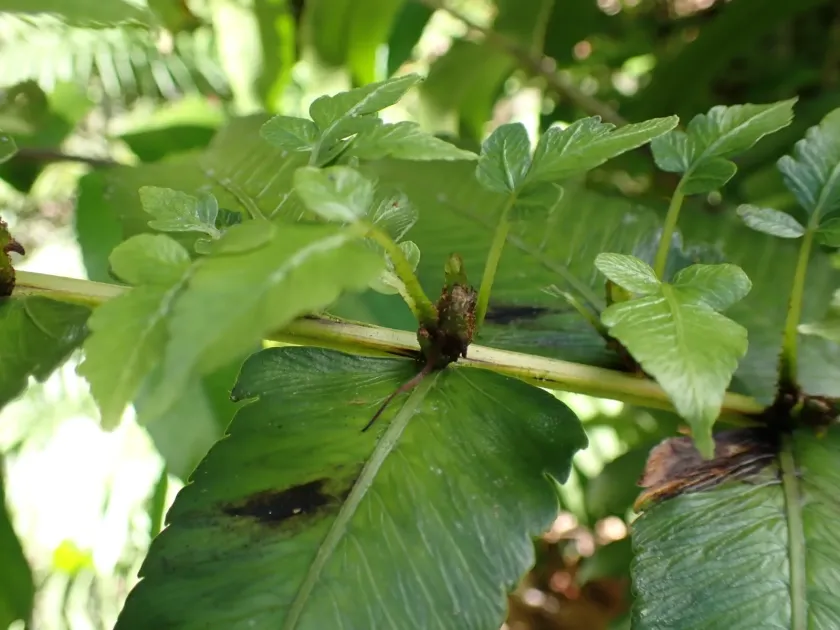
Botanically, the plant is notable for its ability to produce adventitious buds on the fronds, which allows for rapid propagation and expansion of the crop in favorable growing conditions.
Harvesting
The primary use of Diplazium proliferum is as a food source. The young, fiddlehead-like fronds are harvested before they unfurl, as they offer the best texture and mild flavor suitable for culinary applications.
Harvesting is primarily a manual process, involving the careful cutting of young shoots. Regular harvesting encourages the development of new fronds, allowing farmers to maintain a continuous supply of fresh produce over time.
Post-harvest handling is critical, as the fronds are perishable and lose their quality rapidly. Immediate consumption or processing is recommended to preserve the nutritional value and texture of the vegetable.
In addition to its culinary role, the plant is recognized for its health benefits, providing essential fiber and minerals to the local diet in regions where it is cultivated.
The economic potential of this crop is tied to its productivity and the demand for fresh, local tropical greens, encouraging the development of more systematic farming techniques for this species.