
Diplazium maximum
Diplazium maximum
Description
Growing requirements
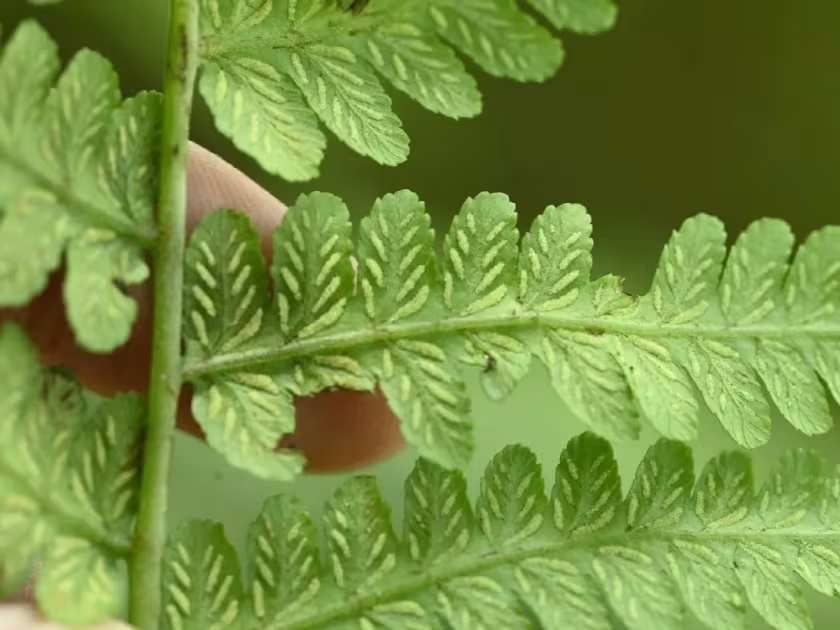
Diplazium maximum is a robust perennial fern species belonging to the Athyriaceae family. It is recognized for its large fronds and complex rhizome system, which allows it to thrive in dense, humid environments characteristic of tropical regions.
Originating from the tropical landscapes of Southeast Asia, this fern is a hallmark of forest understories. It requires environments with filtered light or deep shade, as intense direct sunlight often leads to leaf burn and reduced plant vigor.
Successful cultivation requires soil that is rich in organic matter, highly porous, and consistently moist. An effective irrigation system is essential, as the plant lacks drought-tolerance mechanisms and can suffer irreparable damage from short periods of moisture deficiency.
The climate requirements include stable high temperatures, preferably between 20°C and 30°C. The species is highly susceptible to frost, making it suitable primarily for greenhouse production in temperate zones or open-field cultivation in tropical areas.
Agronomic management involves regular monitoring of substrate moisture and pH levels. Since the plant consumes high amounts of nutrients, balanced organic fertilization programs are recommended to sustain the continuous production of edible fiddleheads.
Harvesting
Harvesting Diplazium maximum involves the precise manual collection of young, curled fronds, known as fiddleheads. This process requires a skilled approach to ensure the terminal bud remains intact, facilitating future regrowth.
The timing is crucial; the fronds must be harvested before they fully unfurl and lose their delicate texture. Delaying the harvest leads to the accumulation of fiber, making the vegetable less palatable for culinary purposes.
Post-harvest handling is critical because these fronds are highly perishable. Rapid cooling and protection from airflow help maintain the shelf life and quality of the harvested crop before it reaches the end-user.
Before consumption, the fiddleheads must undergo proper thermal processing, such as boiling or steaming. This practice neutralizes potential anti-nutritional factors and improves the flavor profile of the vegetable.
Sustainable production practices emphasize crop rotation and proper spacing to prevent fungal infections. Regular sanitation of the growing area is necessary to keep the plant healthy and productive throughout its long-term life cycle.