
Japanese painted fern
Diplazium japonicum
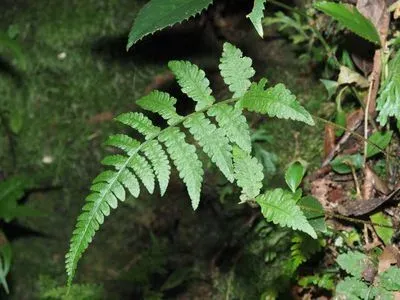
Description
Sowing dates
Diplazium japonicum is typically propagated by rhizome division in early spring as new growth emerges. Each division must contain a healthy portion of the rhizome with active root systems to ensure survival.
Spore propagation is also possible and involves sowing spores onto sterilized peat-based media. This requires high humidity and steady temperatures around 21 degrees Celsius until the prothallia develop.
When planting out in the garden, choose a site that is protected from strong winds, as the delicate fronds can easily become tattered. Early spring or autumn is the ideal time to establish new plants.
Ensure the planting hole is twice as wide as the root ball and amended with plenty of organic matter. Proper spacing, roughly 50 cm apart, encourages airflow and reduces the risk of fungal infections.
Established plants do not require significant pruning, though dead or damaged fronds should be removed in late winter or early spring to make way for new growth.
Growing requirements
The Japanese painted fern is a perennial herb of the Athyriaceae family, prized for its silvery, metallic fronds. It is native to the temperate forest regions of East Asia, thriving in cool, shaded environments.
This fern requires consistently moist, humus-rich soil that is slightly acidic. It performs best in partial to deep shade, where it is protected from the drying effects of direct afternoon sunlight.
Watering should be frequent enough to keep the soil evenly moist but never waterlogged. During periods of heat, supplemental irrigation is necessary to prevent the leaves from turning brown at the tips.
The plant is hardy in temperate climates but benefits from winter mulching in colder regions. Applying a layer of pine bark or leaf mold helps insulate the roots and retains soil moisture levels.
It prefers a location with good ambient humidity. In drier regions, growing it near water features or in clusters with other shade-loving plants helps create a favorable microclimate.
Main diseases and pests
Slugs and snails are the most common pests, often consuming the tender emerging fronds. Implementing physical barriers or using pet-safe iron phosphate baits is standard practice for protection.
Fungal diseases like rust or leaf spots may occur if air circulation is poor or if fronds remain damp for too long. Improving spacing and avoiding overhead watering are key management strategies.
Root rot is a major threat in poorly drained soils. If the plant shows signs of wilting despite adequate watering, the soil drainage should be evaluated and amended immediately.
Spider mites can become an issue during periods of low humidity or drought. Keeping the plant hydrated and providing good environmental conditions typically keeps these pests under control.
Soil-borne nematodes are a more serious, though less frequent, threat that can weaken the entire plant. Once infected, plants should be removed and destroyed to protect the surrounding garden beds.