
Diplazium caudatum
Diplazium caudatum
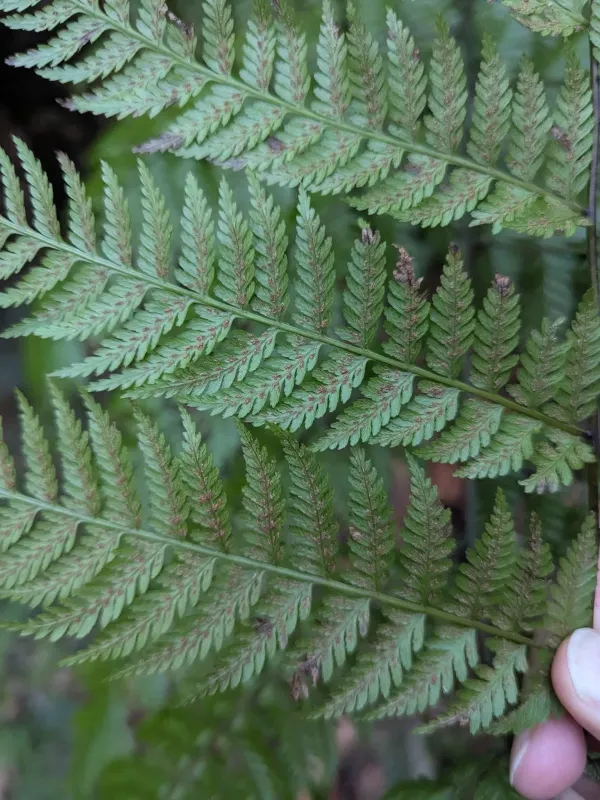
Description
Growing requirements
Diplazium caudatum is a perennial herbaceous fern belonging to the Athyriaceae family. Native to tropical and subtropical regions, this plant thrives in environments characterized by constant humidity and moderate temperatures.
The cultivation of this fern requires a porous, well-draining soil mix that is rich in organic matter. A substrate consisting of peat, leaf mold, and perlite provides the ideal structural balance for healthy root development.
Light requirements for this species are specific: it performs best under filtered or indirect light. Exposure to direct sunlight can severely damage the fronds, leading to scorched foliage and overall plant stress.
Moisture control is paramount for this culture. The soil must remain consistently moist but never waterlogged. High humidity levels, ideally between 60% and 80%, are essential for the plant to maintain its natural luster.
Temperature management should be stable, with an ideal range between 18°C and 25°C. The plant should be sheltered from cold air currents and temperatures that drop significantly, as it lacks cold hardiness.
Main diseases and pests
Common pests affecting Diplazium caudatum include scale insects and mealybugs. These sap-sucking pests can cause significant damage to the plant's vascular system, leading to yellowing leaves and stunted growth.
Fungal issues, such as leaf spot and root rot, often arise due to poor drainage or inadequate air circulation. Maintaining proper spacing between individual plants is a critical preventive measure in professional greenhouse settings.
Infestations are often signaled by the appearance of white cottony masses or dark sticky spots on the fronds. Early detection is crucial, as the density of the foliage can make thorough treatment difficult.
Standard pest management involves the use of horticultural oils or insecticidal soaps. It is vital to avoid chemical treatments during periods of intense heat, as this can exacerbate leaf sensitivity.
Sanitation practices, such as removing debris and disinfecting pots, are necessary to minimize the risk of recurring infections and ensure the long-term vitality of the fern crop.