
Narrow-leaved glade fern
Diplazium pycnocarpon
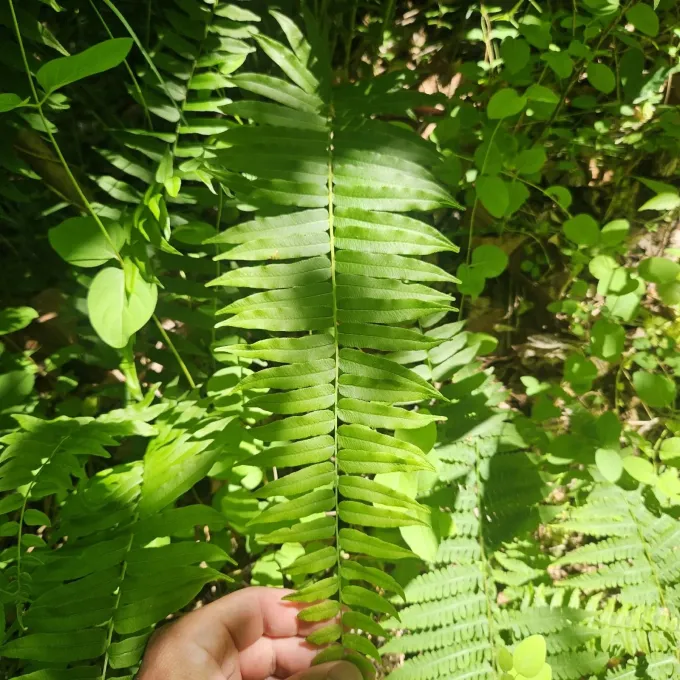
Description
Growing requirements
The Narrow-leaved glade fern (Diplazium pycnocarpon) is a perennial fern species belonging to the Athyriaceae family. Native to the rich, moist forests of North America, it is highly valued for its elegant, elongated fronds and its ability to thrive in deep woodland shade.
Regarding site requirements, this culture is strictly adapted to shaded environments. Direct sunlight will scorch the foliage, leading to rapid dehydration and loss of ornamental value, which is why it is best suited for north-facing areas or under a dense tree canopy.
The soil profile must be rich in organic matter, well-draining, and maintain a consistent moisture level. A slightly acidic to neutral substrate mimics the natural leaf litter found in its native habitats, providing the necessary nutrients for robust development of the rhizomes.
Climate considerations are crucial; the fern requires cool, humid summers and protection from drying winds. In regions with lower air humidity, it is recommended to plant it in groups to create a localized microclimate that helps retain moisture around the fronds.
Cultivation practices include providing sufficient mulch to prevent moisture loss from the soil surface. During the growing season, consistent irrigation is vital, although the substrate should never be waterlogged, as this leads to anaerobic conditions detrimental to the roots.
Main diseases and pests
The primary threats to Diplazium pycnocarpon are soil-borne pathogens, particularly root rot, which typically occurs in compacted or poorly drained soils. Ensuring adequate aeration of the substrate is the most effective preventative measure against these fungal issues.
Pest pressure is generally low, but slugs and snails can cause significant damage to the emerging spring fronds. Integrated pest management strategies, such as using organic barriers or manual removal, are preferred over heavy chemical usage to preserve the ecological balance.
Spider mites may occasionally infest the plants during periods of extreme heat and low humidity. Regular monitoring of the undersides of the leaves and maintaining high ambient humidity are standard agronomic practices to prevent outbreaks of these tiny pests.
Nutrient deficiencies, particularly chlorosis caused by iron or magnesium imbalance, can occur if the soil pH becomes too high. Maintaining the proper acidity is essential to ensure the fern can effectively uptake these necessary micronutrients from the soil solution.
In addition to pests, weed competition can suppress the growth of young ferns. Hand-weeding is recommended as the root systems of the fern are relatively sensitive to mechanical disturbance, making cultivation around the base of the plant a task requiring great care.