
Davallia tyermannii
Davallia tyermannii
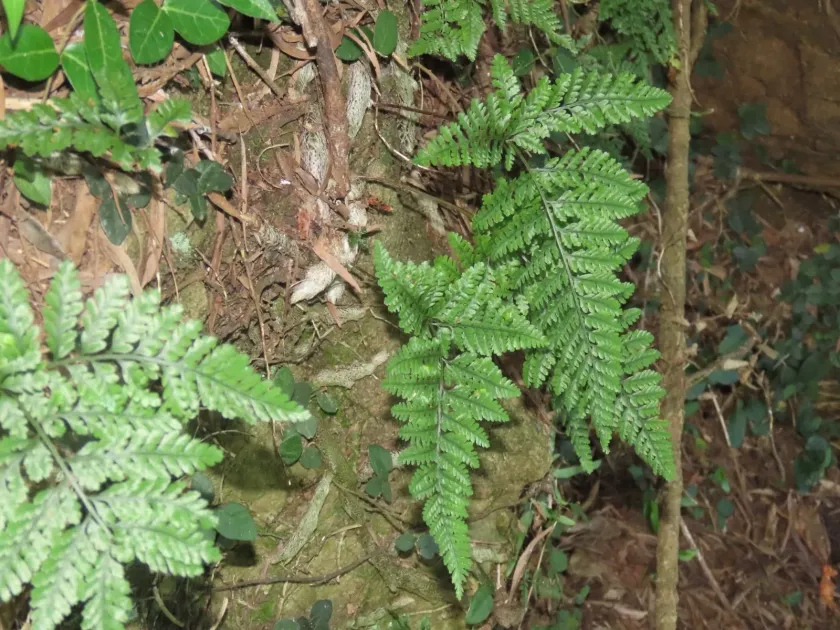
Description
Growing requirements
Davallia tyermannii is an epiphytic fern species belonging to the Davalliaceae family. Native to the rocky, forested regions of China, this plant is well-known for its unique, furry, creeping rhizomes that resemble rabbit's feet, which serve as water storage organs.
For optimal health, the plant requires a stable environment with temperatures between 18 and 24 degrees Celsius. It is essential to protect the plant from cold drafts and sudden temperature drops, which can cause significant stress and lead to foliage drop.
This fern thrives in bright, indirect light. Direct sunlight should be avoided as it scorches the delicate fronds. A location with filtered light, such as a position near a window with a sheer curtain, provides the necessary conditions for healthy vegetative growth.
A well-draining, loose substrate is critical for Davallia success. A potting mix consisting of peat moss, perlite, pine bark, and charcoal is recommended to ensure proper aeration and moisture retention while preventing the rhizomes from sitting in water.
Consistent moisture is key, but the soil should never be waterlogged. Watering should be done with soft, room-temperature water. Maintaining a high humidity level around the plant is vital, especially in indoor environments where air tends to dry out.
Main diseases and pests
Spider mites are a common threat to this fern, particularly in low-humidity environments. Regular misting and monitoring are necessary to prevent infestations. If mites appear, gentle washing of the fronds followed by an insecticidal soap application is recommended.
Scale insects can attach to the rhizomes and leaf stems, weakening the plant. Mechanical removal is often the first step in control, followed by treatment with systemic insecticides or neem oil, ensuring thorough coverage of all infected areas without damaging the fuzzy rhizome.
Root rot is the most serious disease for Davallia, usually caused by overwatering or poor drainage. If the rhizome becomes soft or turns black, the plant must be removed from its pot, the rotted sections trimmed, and the remaining healthy parts replanted in fresh soil.
Fungal spot infections may occur if the foliage is kept wet and air circulation is poor. To mitigate this, ensure the leaves are not frequently sprayed directly with water and place the plant in a location with good natural ventilation to promote faster evaporation.
Nutrient deficiency can lead to pale leaves and slowed growth. Using a diluted, balanced liquid fertilizer during the active growing season (spring and summer) is sufficient to maintain the plant's health and support the development of new, vibrant fronds.