
Davallia bullata
Davallia bullata
Description
Growing requirements
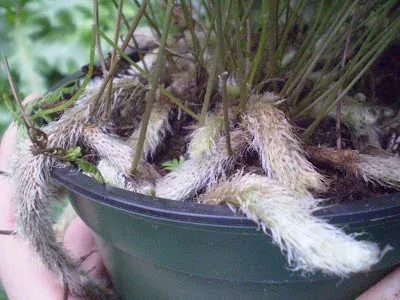
Davallia bullata is an epiphytic fern belonging to the Davalliaceae family. Native to the humid forests of East Asia, including Japan and China, this plant is well-known for its distinctive, furry rhizomes that grow horizontally over the surface of the soil.
Cultivation requires conditions that mimic its natural habitat. It thrives in high humidity and bright, indirect light. Placing the fern in a location with stable temperatures between 18°C and 24°C is essential for year-round growth.
The choice of growing medium is vital for this species. A well-draining mixture composed of orchid bark, peat moss, and perlite provides the necessary aeration for the rhizomes to prevent them from suffocating or rotting.
Watering should be approached with caution. While the fern requires consistent moisture, the rhizomes are sensitive to constant wetness. Watering the soil directly while keeping the furry rhizomes relatively dry is the standard practice for successful growth.
Regular fertilization with a diluted, balanced liquid fertilizer during the active growing season ensures that the plant develops lush, green fronds. Avoid over-fertilization, as it can cause salt buildup in the sensitive growing medium.
Main diseases and pests
Davallia bullata is susceptible to several common pests, most notably spider mites and mealybugs. These pests thrive in dry indoor environments and can quickly damage the delicate structure of the fern's leaves.
Root rot is the most common disease associated with improper irrigation practices. Overwatering leads to the decay of the rhizome system, which is difficult to reverse once the infection has established itself deep in the tissues.
Scale insects can occasionally infest the stems, appearing as small brown bumps. Manual removal or the application of horticultural oils is recommended to manage these populations without damaging the plant's sensitive foliage.
Inconsistent humidity levels often cause tip burn, where the ends of the fronds turn brown and crispy. This is a physiological response to stress rather than a disease but requires immediate adjustment of the environmental conditions.
Preventive maintenance, including checking for signs of infestation and ensuring proper airflow around the container, is crucial for maintaining a healthy and vigorous fern specimen.