
Davallia angustata
Davallia angustata
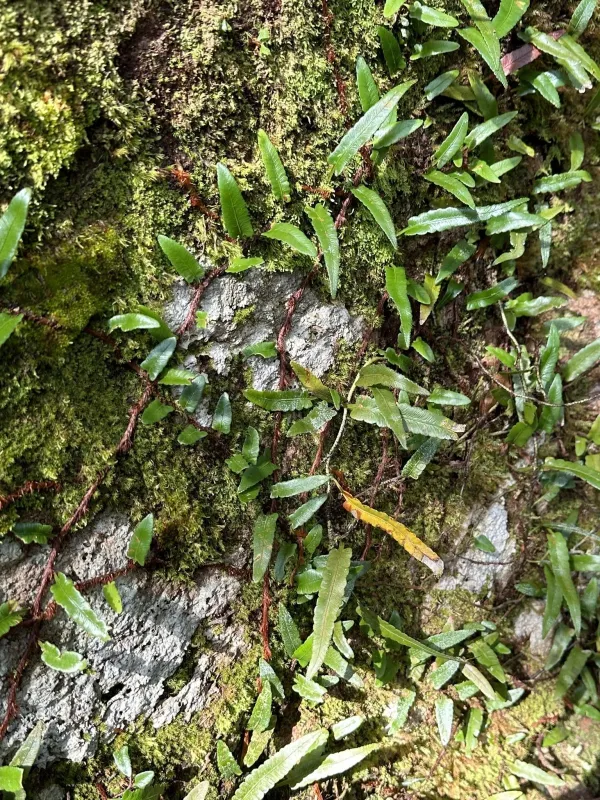
Description
Growing requirements
Davallia angustata is a distinctive epiphytic fern species belonging to the Davalliaceae family. Native to tropical regions, this plant is well-known for its unique creeping rhizomes, which are densely covered in specialized scales, often giving them a fuzzy appearance.
The plant thrives in environments that mimic its natural habitat: bright, filtered light is essential for healthy leaf development. Strong direct sunlight can easily scorch the fronds, so placement in semi-shaded areas is highly recommended.
Temperature management is critical for this species. It prefers a steady warm climate, ideally between 20°C and 25°C. Exposure to sudden cold drafts or temperatures below 15°C can cause significant stress and leaf drop.
A well-draining, airy substrate is mandatory for Davallia angustata. Using a mixture of bark, perlite, and peat moss ensures that the roots have adequate oxygen levels while preventing water accumulation that could lead to rot.
Consistent humidity is the key to successfully maintaining this fern. Regular misting or the use of a humidity tray with pebbles and water helps recreate the damp atmosphere the plant requires for lush, vibrant frond growth throughout the year.
Main diseases and pests
The most common pests affecting Davallia angustata are spider mites, which flourish in dry indoor environments. Frequent monitoring and increasing humidity levels are the primary defense strategies against these persistent pests.
Root rot is the most serious disease risk, usually caused by overwatering or poor drainage. Once the rhizomes become saturated for too long, they lose their structural integrity and succumb to fungal infections.
Scale insects can also infest the rhizomes and leaf bases. These pests are often difficult to detect early, so regular inspection of the base of the plant is recommended to prevent widespread damage to the specimen.
Poor ventilation often leads to fungal outbreaks, such as leaf spot diseases. Ensuring adequate airflow around the foliage is a simple yet effective cultural method to prevent the development of harmful pathogens.
If chemical intervention becomes necessary, use only gentle, fern-safe pesticides. Always test the product on a small area of the plant first to ensure it does not cause toxicity or damage to the delicate fronds.