
Davallia denticulata
Davallia denticulata
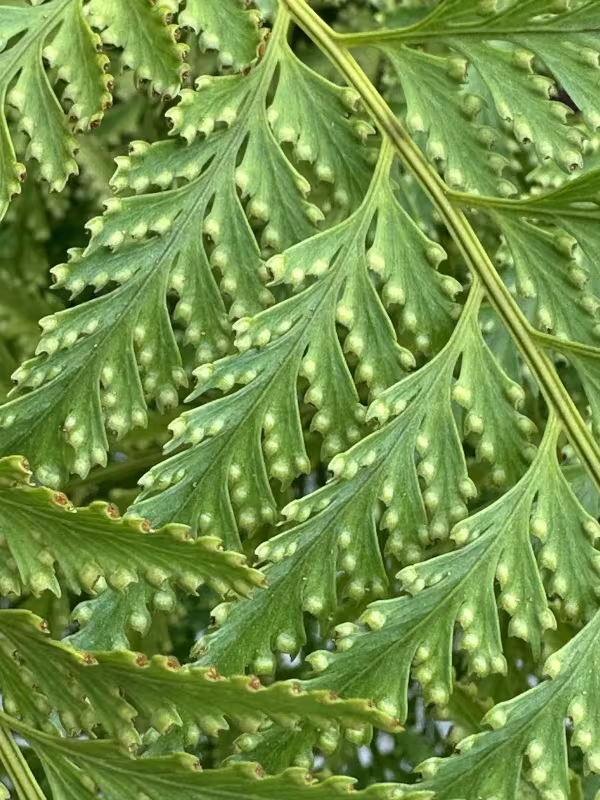
Description
Growing requirements
Davallia denticulata is a distinctive epiphytic fern belonging to the Davalliaceae family, native to tropical regions of Southeast Asia and Polynesia. It is highly valued in horticulture for its unique, furry creeping rhizomes that spill over the edges of pots.
Optimal growth requires a warm, humid environment with high ambient humidity levels, ideally maintained between 60% and 80%. Exposure to cold drafts must be strictly avoided, as the species is highly sensitive to sudden temperature fluctuations.
The planting substrate must be highly porous and well-draining. A mix consisting of orchid bark, peat moss, perlite, and charcoal is recommended to mimic the natural epiphytic conditions found in the forest canopy.
Light requirements for this species include bright, indirect illumination. Direct sunlight is detrimental to the delicate fronds, leading to scorched tissues and stunted development, necessitating placement in naturally lit, shaded areas.
Consistent moisture levels are essential, but the substrate should never remain waterlogged. Using tepid, chlorine-free water for irrigation helps maintain the health of the rhizomes and prevents mineral buildup in the porous root system.
Main diseases and pests
Spider mites are the most prevalent pest affecting this fern, particularly in indoor environments with low humidity. Regular misting and maintaining optimal airflow around the fronds are effective preventive measures against these infestations.
Scale insects can attach themselves to the undersides of the fronds, feeding on plant sap and weakening the overall vitality. Manual removal or the application of horticultural oils is recommended for controlling these pests.
Root rot, primarily caused by excessive moisture or heavy, compacted soil, remains the most significant physiological threat. Ensuring the pot has ample drainage and that the rhizomes are not buried too deeply is critical.
Fungal leaf spot diseases can develop if the foliage remains wet for extended periods in environments with poor circulation. Keeping the fronds dry during the evening hours significantly reduces the risk of such infections.
Effective management also involves regular inspection of the rhizomes for signs of decay or fungus. If signs of distress appear, isolate the plant and treat with appropriate fungicides or adjust the irrigation schedule to restore equilibrium.