
Davallia heterophylla
Davallia heterophylla
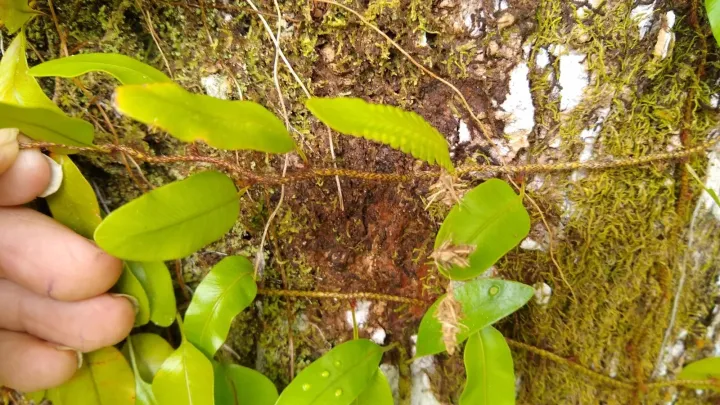
Description
Growing requirements
Davallia heterophylla is a species of epiphytic fern belonging to the Davalliaceae family. Native to the tropical regions of Southeast Asia, this plant naturally thrives in humid forest environments, attaching itself to trees and rocky substrates.
Botanically, the plant is distinguished by its creeping, rhizomatous structure covered with scales that resemble animal fur. This unique rhizome system allows the plant to store moisture and nutrients, making it highly adaptable to specialized growing conditions.
Successful cultivation requires high ambient humidity, ideally maintained above 65 percent. In greenhouse production, misting systems or ultrasonic humidifiers are recommended to prevent the desiccation of the delicate fronds.
The growing medium must be highly porous to ensure excellent aeration and rapid drainage. A mixture composed of peat, horticultural charcoal, and pine bark is considered the industry standard for maintaining healthy root development.
Light intensity should be carefully managed to provide bright, indirect illumination. Exposure to direct sunlight will cause tissue necrosis and yellowing, so shading screens are essential during peak sunlight hours to maintain optimal physiological activity.
Main diseases and pests
Spider mites are the most frequent pest challenge for this fern. They thrive in dry air conditions and can cause significant damage by piercing the fronds, leading to a loss of vigor and potential plant death if not treated early.
Root rot caused by Oomycetes or various soil-borne fungi is a common threat in poorly drained containers. Strict adherence to irrigation schedules is mandatory, as waterlogged soil prevents oxygen uptake by the rhizomes.
Scale insects can establish colonies along the thick rhizomes, making them difficult to detect and eradicate. Manual removal combined with systemic insecticidal applications is often required for effective long-term management.
Leaf spots, often caused by bacterial or fungal pathogens like Colletotrichum, can manifest under conditions of poor air circulation and high humidity. Improving airflow and removing infected fronds are critical control measures.
Preventative strategies should include consistent sanitation practices, such as sterilizing all containers and tools. Regular integrated pest management (IPM) protocols ensure that populations of detrimental organisms remain below economic injury levels.