
Davallia triphylla
Davallia triphylla
Description
Growing requirements
Davallia triphylla is a member of the Davalliaceae family, commonly recognized as a distinct species of epiphytic fern. It originates from the tropical regions of Southeast Asia, where it thrives in shaded and humid forest environments.
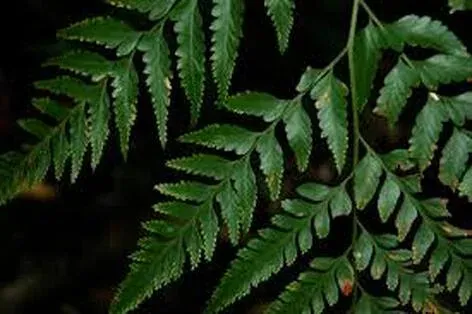
The plant is botanically distinguished by its creeping, scaly rhizomes that resemble rabbit feet, and its fronds which are typically divided into three segments. This unique morphology makes it a specialized ornamental choice for botanical collections.
Climate requirements for this species include high air humidity and a consistent temperature range between 18°C and 24°C. It is essential to avoid direct sunlight, as the fern prefers bright, filtered light typical of the tropical forest understory.
Soil management for this fern requires a well-aerated, loose medium. A mix of peat moss, pine bark, and perlite provides the necessary drainage to prevent root rot while maintaining the moisture levels required for healthy rhizome development.
Commercially and in horticulture, this plant is cultivated for decorative purposes. Its growth habit makes it perfectly suited for hanging baskets, epiphytic mounts on driftwood, or as a decorative specimen in humid indoor environments.
Main diseases and pests
The main pests that affect Davallia triphylla include spider mites and scale insects, which often thrive in indoor conditions where air circulation is poor or humidity levels are inconsistent.
Common plant diseases are typically fungal in nature, often caused by waterlogging of the substrate. If the rhizomes stay too wet for too long without proper airflow, the plant becomes highly susceptible to rapid decay and root rot.