
Davallia repens
Davallia repens
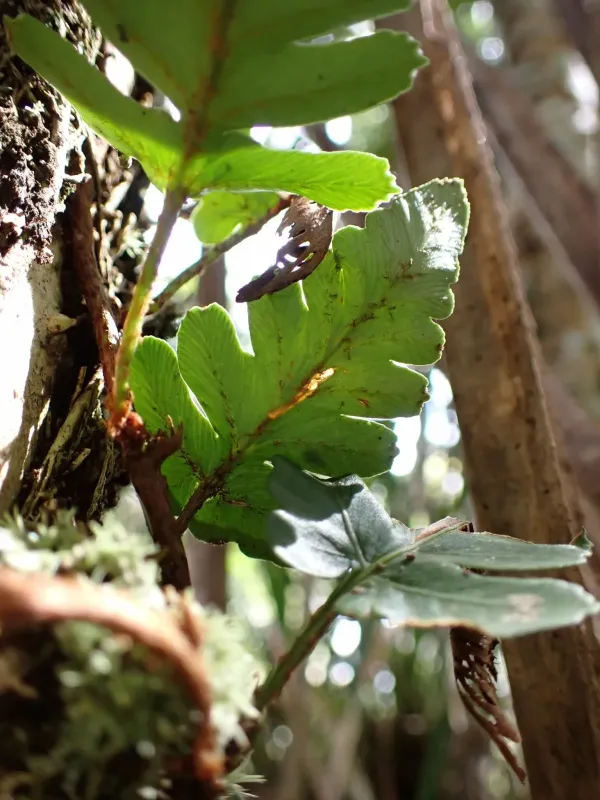
Description
Growing requirements
Davallia repens is a member of the Davalliaceae family, a group of epiphytic ferns native to tropical regions of Southeast Asia and Polynesia. It is highly valued for its unique growth habit and delicate, finely dissected fronds that provide a sophisticated aesthetic.
The plant is characterized by its rhizomes, which creep over the surface of the growing medium and are densely covered with brownish scales. These rhizomes act as water reservoirs, allowing the fern to withstand slight variations in moisture levels within its tropical habitat.
Successful cultivation requires high atmospheric humidity levels, ideally maintained between 60% and 80%. If the humidity drops too low, the fronds will quickly desiccate, necessitating the use of humidifiers or regular misting in indoor agricultural settings.
A well-draining, loose substrate is essential for the health of the root system. Growers typically utilize a mix of pine bark, perlite, and peat moss to mimic the epiphytic environment, ensuring that the rhizomes are not buried too deeply to prevent rot.
Temperature management is critical for optimal vegetative development. The plant thrives in temperate conditions ranging from 18 to 24 degrees Celsius. It is crucial to protect the culture from cold drafts and extreme fluctuations, which can cause significant physiological stress.
Main diseases and pests
Pest management is a fundamental aspect of maintaining this crop. The most frequent threats are scale insects and spider mites, which thrive in low-humidity environments. Regular monitoring and maintaining proper environmental conditions are the most effective preventative measures against infestations.