
Davallia parallela
Davallia parallela
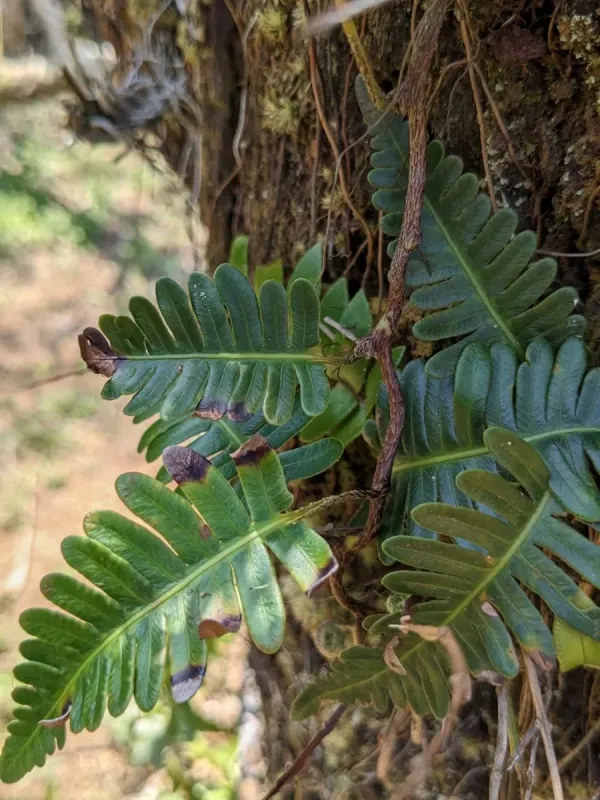
Description
Growing requirements
Davallia parallela is a unique species belonging to the Davalliaceae family. Native to the humid rainforests of Southeast Asia, it is primarily found growing as an epiphyte on trees and rocks, adapting to high-humidity environments.
The plant is botanically renowned for its creeping rhizomes, which are densely covered in brown, hair-like scales. These rhizomes often hang over the edges of pots, providing a distinctive appearance that makes it a popular ornamental plant.
Optimal growth requires bright, indirect light. Direct sunlight is damaging to the foliage, causing brown scorch marks on the delicate fronds. A location with filtered light or partial shade is highly recommended for indoor cultivation.
The substrate must be light, airy, and capable of retaining moisture without becoming waterlogged. A mixture of orchid bark, peat moss, and perlite provides the necessary structure to support the plant's roots and rhizomes.
High environmental humidity is essential for the health of Davallia parallela. Using a humidifier or placing the pot on a tray with pebbles and water can help maintain the required moisture levels around the foliage.
Main diseases and pests
The most common pests affecting this fern are spider mites, which thrive in dry indoor conditions and attack the undersides of the fronds.
Scale insects can also pose a significant threat, appearing as small bumps on the stems or veins of the leaves, potentially weakening the plant over time.
Root rot is a major physiological threat caused by overwatering or poor drainage. It manifests as a softening and discoloration of the creeping rhizomes, eventually killing the plant.
Fungal leaf spots can occur when water remains on the fronds for too long, particularly in poorly ventilated rooms. Maintaining air circulation is crucial for disease prevention.
Regular inspection and manual removal of pests, combined with proper watering practices, are the most effective ways to maintain a healthy specimen.