
Davallia mariesii
Davallia mariesii
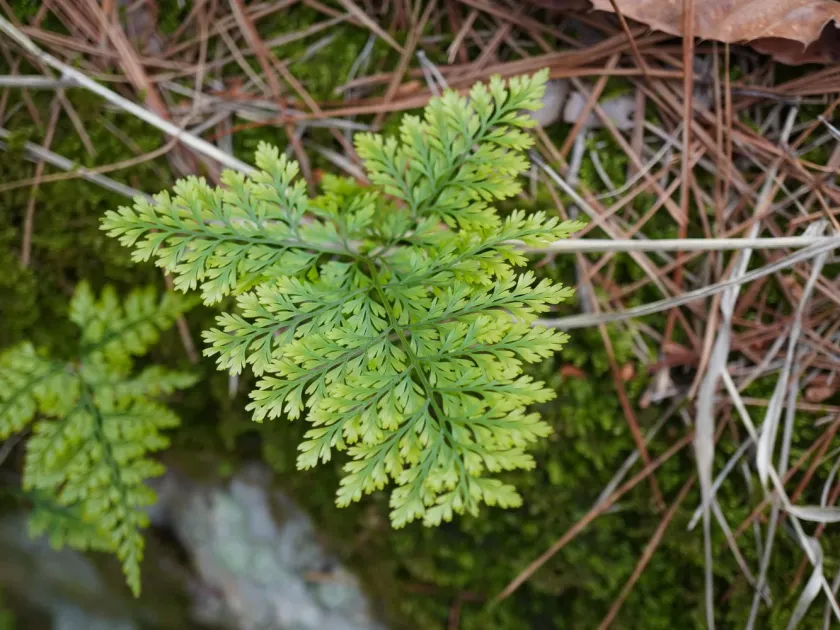
Description
Growing requirements
Davallia mariesii is a decorative epiphytic fern belonging to the Davalliaceae family. Native to East Asian regions, including Japan and China, this plant typically thrives in humid forest environments, attaching itself to tree trunks and rock crevices.
The plant is widely recognized for its fuzzy, creeping rhizomes that spill over the edges of containers, earning it the common name of "rabbit's foot fern." Its fronds are delicate, finely divided, and display a vibrant shade of green that adds aesthetic value to any space.
To cultivate this plant successfully, one must provide high levels of ambient humidity and bright, indirect light. Direct sunlight is harmful and will quickly scorch the fronds, leading to permanent damage and loss of plant vigor.
A well-aerated, loose growing medium is crucial for the health of the rhizomes. A mixture consisting of peat moss, pine bark, and perlite is generally considered optimal to facilitate water drainage and prevent root suffocation.
Temperature management is vital during both active growth and dormancy. Ideally, the plant prefers temperatures between 18 and 22 degrees Celsius in summer, while a slightly cooler environment around 15 degrees in winter helps the plant sustain its vitality for the coming season.
Main diseases and pests
The primary pests affecting the plant are spider mites and scale insects, which thrive in dry indoor conditions. Regular misting and inspections are recommended to keep the foliage clean and to detect early signs of infestation before it spreads.
Root rot is a major threat caused by waterlogged soil or poor drainage systems in the pots. If the rhizomes appear discolored or mushy, it is indicative of excess moisture, requiring an immediate adjustment to the watering schedule and improvement of the substrate permeability.