
Davallia hymenophylloides
Davallia hymenophylloides
Description
Growing requirements
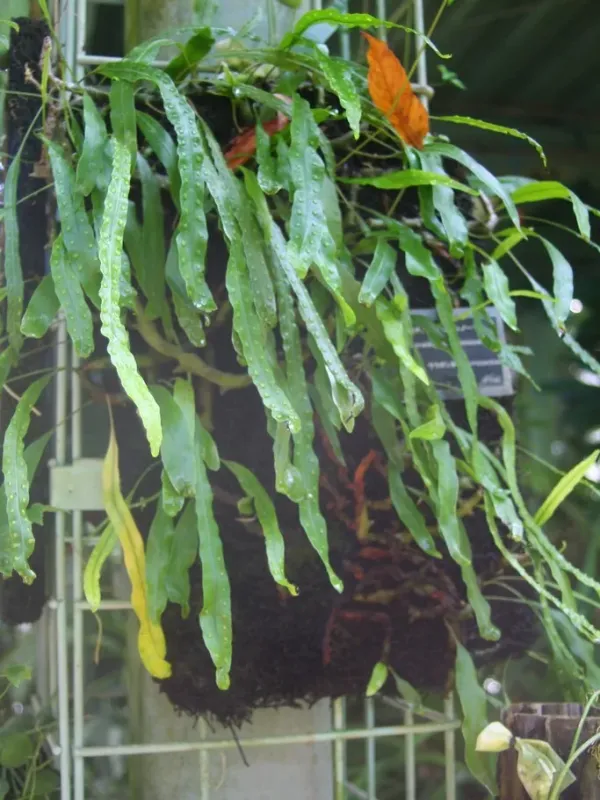
Davallia hymenophylloides is a fern species belonging to the Davalliaceae family, primarily recognized for its creeping, scaly rhizomes that resemble rabbit feet. These plants are naturally adapted to epiphytic habitats in tropical forests, where they grow on tree trunks.
The botanical structure of this fern features delicate, finely divided fronds that provide a lush and ornamental appearance. Due to the thin texture of its leaves, the plant requires a controlled indoor environment to maintain its structural integrity.
Cultivation requires filtered light, as direct sun exposure typically causes leaf scorching. Consistent humidity levels are crucial for the plant's health, often requiring regular misting or the use of pebble trays in drier domestic environments.
The soil substrate must be highly porous and moisture-retentive but well-draining. A typical mix includes peat moss, orchid bark, and perlite, which mimics the organic debris found on trees where these ferns naturally settle.
Ornamental use is the primary purpose of this crop. It is highly prized in interior design for indoor displays, terrariums, and hanging baskets, where the ornamental rhizomes can drape over the sides of the container.
Main diseases and pests
The most significant threat to this fern is root rot caused by waterlogged soil. Proper drainage is essential to prevent the rhizomes from decaying, as they are sensitive to stagnant water during cooler periods.
Pests like spider mites and scale insects represent the main threats to the plant's vitality. These pests thrive in low-humidity conditions, making regular leaf inspection and environmental management the best preventive measures.