
Cutleaf anemone
Anemone multifida Poir.
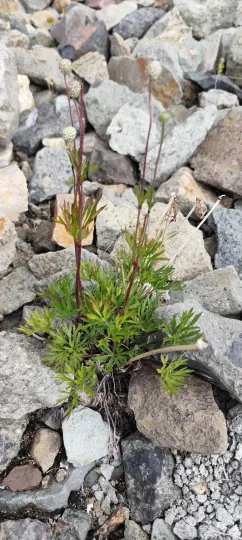
Description
Sowing dates
The Cutleaf anemone, a member of the Ranunculaceae family, is typically propagated via seeds or rhizome division. Since the seeds require cold stratification, the best time for sowing is autumn, allowing the natural winter cycle to prepare the seeds for spring germination.
For spring sowing, seeds should be pre-chilled in a refrigerator for one to two months. It is recommended to use a lightweight, well-draining soil mix enriched with sand to ensure proper moisture management and to avoid damping-off of the young seedlings.
Seeds should be sown shallowly, at a depth of about 0.5 to 1 cm. After planting, covering the soil surface with a thin layer of peat or fine grit helps maintain consistent moisture levels and protects the emerging sprouts from drying out prematurely.
Pricking out the seedlings should occur once the first two or three true leaves have developed. When transplanting into the permanent garden site, maintain a spacing of approximately 30–40 cm between individual plants to accommodate growth and ensure adequate airflow.
Vegetative propagation by division is most successful in early autumn or early spring before active growth begins. Each division should contain a healthy piece of the rhizome with visible growth buds to ensure rapid establishment in the new location.
Growing requirements
This species thrives in sunny to light-shaded locations that are protected from intense, drying winds. Anemone multifida is highly cold-hardy, naturally adapted to northern climates, making it a reliable perennial for various temperate garden conditions.
Regarding soil, it prefers fertile, well-draining loam that is consistently moist but never waterlogged. Ensuring that the site is well-drained is crucial, as standing water during the dormant season can quickly lead to rhizome decay.
Regular watering is essential during dry periods to sustain growth and blooming. During the active growing season, applying a balanced mineral fertilizer can boost vigor, although one should be cautious with high-nitrogen fertilizers that can lead to excessive foliage growth.
Maintenance involves regular weeding and light hoeing around the plants to ensure soil aeration. Applying a mulch of leaf mold or organic compost can help regulate soil temperature, retain moisture, and provide slow-release nutrients throughout the summer.
In regions with harsh winters lacking snow cover, covering the area with spruce boughs or a layer of dry leaves provides excellent protection for the crown. This practice prevents frost heaving and encourages a vigorous start to the plant's growth in spring.
Main diseases and pests
Fungal diseases are the primary concern for Cutleaf anemone, usually triggered by poor drainage or high humidity. Root rot is the most common issue, necessitating careful monitoring of soil moisture levels and immediate removal of any affected plant tissue.
Powdery mildew can affect the foliage during periods of stagnant, humid air and fluctuating temperatures. Applying copper-based fungicides or sulfur treatments can control the spread if spotted early enough to protect the overall health of the planting.
Foliar nematodes are a potential pest that can cause leaf deformation and stunted development. Since management is difficult, the most effective strategy is strictly removing and disposing of infected plant material to prevent the cycle from continuing in the garden.
Slugs and snails can cause significant damage to young, tender leaves in damp weather. Using commercial bait traps or physical barriers such as crushed eggshells or copper tape can effectively protect the plants from these common garden mollusks.
General disease management relies on good sanitation, including the removal of dead foliage and maintaining proper spacing. By ensuring the plants are not overcrowded and are provided with good air circulation, the risk of disease outbreaks is significantly reduced.