
Cotula turbinata
Cotula turbinata
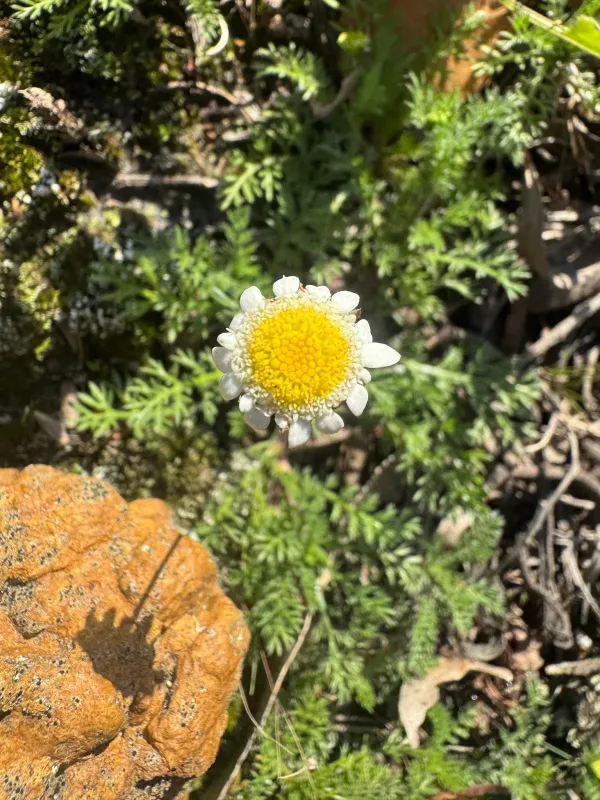
Description
Sowing dates
Cotula turbinata is an annual herbaceous plant belonging to the Asteraceae family. In agricultural practice and landscape design, seeding is usually carried out in the spring, once the threat of frost has passed.
For optimal germination, the soil temperature should be between 15 and 18 degrees Celsius. The best time for sowing outdoors is mid-May, which allows the plant to adapt well to summer conditions.
If early flowering is required, the crop is sown in containers in March or April in a protected environment. Seeds should be sown in loose substrate without deep burial, as they require sufficient light to germinate effectively.
The seeding rate is calculated based on the site's purpose, whether it is for dense flower beds or sparse planting to create a natural landscape. After sowing, the soil surface should be lightly pressed and kept moist until seedlings emerge.
Cotula seedlings typically emerge uniformly if moderate humidity is maintained. Providing the seedlings with adequate light is crucial to prevent leggy growth during the early vegetation stage.
Growing requirements
Originating from South Africa, this plant has high requirements for light and warmth. For successful cultivation, choose locations with direct sunlight throughout the entire day.
The soil for Cotula must have excellent drainage and be moderately fertile. Water stagnation in the root zone is highly undesirable, as it often leads to the development of root rot and plant mortality.
The culture prefers light sandy or loamy soils with a neutral or slightly acidic pH level. Excessive nitrogen fertilization may stimulate excessive green growth at the expense of floral quality.
In climates with regular rainfall, it is necessary to manage the drainage system. During prolonged dry periods, the plant requires moderate but regular watering, ideally performed in the morning.
Agronomic management also includes weeding during the initial development phase, as Cotula turbinata does not compete well for light and nutrients against more aggressive weed species.
Yield
The economic use of this crop is primarily ornamental rather than food or industrial. Its main value lies in the high decorative appeal of the inflorescences, which attract attention with their unique shapes.
Yield, in the context of ornamental gardening, is measured by the abundance of flowering and the duration of the plant's life cycle. With proper agronomic practices, a single plant can produce a large number of flower heads.
Seed collection is carried out as the flower heads reach full maturity at the end of the summer. Properly collected and stored seed material maintains good germination rates for the following agricultural season.
Using Cotula in landscaping allows for the creation of unique color accents in flower beds and borders. The plant is prized for its resilience to minor temperature fluctuations during the summer period.
In some regions, the plant finds limited use in floral arrangements. Dried inflorescences, when properly treated, can be used to create decorative panels and botanical collections.
Main diseases and pests
Typical threats to Cotula development include fungal diseases arising from poor moisture control. Gray mold and powdery mildew can affect the foliage if there is inadequate ventilation among the plants.
Regarding pests, aphids and spider mites represent the greatest danger to the crop. These insects suck sap from young shoots, significantly reducing the plant's overall vitality and aesthetic appeal.
To prevent the spread of pests, it is recommended to monitor the health of the plants at least once a week. If infestations are detected, specialized insecticides or acaricides must be applied.
Disease control includes practicing crop rotation and avoiding overly dense planting, which contributes to the buildup of pathogenic microflora. Regular sanitation of the soil surface by removing fallen leaves significantly lowers infection risks.
The use of biological control methods, such as utilizing entomophages, is also an effective tool in the professional agronomic management of plots containing Cotula turbinata.