
Cotula barbata
Cotula barbata
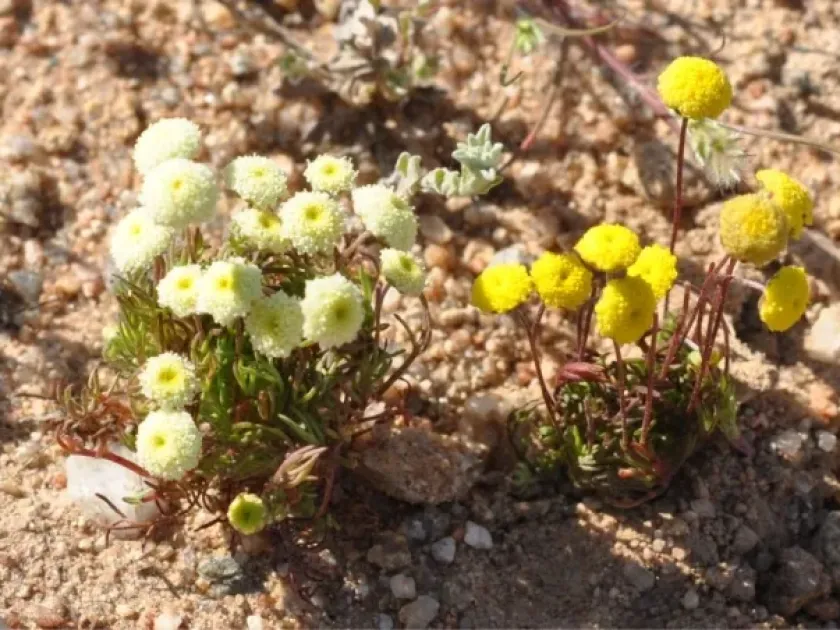
Description
Sowing dates
Cotula barbata is an annual herbaceous plant, meaning its life cycle begins with seeding in the spring. The ideal time for outdoor sowing is April or May, once all danger of frost has passed.
For those starting indoors, sow seeds in shallow trays filled with a light, sterile seed-starting mix in March. Do not cover the seeds deeply, as they require light to germinate effectively.
Seedlings typically emerge within 10 to 14 days when kept in a warm, bright environment at temperatures around 18–20 degrees Celsius. Once true leaves develop, seedlings should be carefully pricked out.
Transplant the seedlings to their final location once the soil has warmed up significantly. Proper spacing of 15–20 cm is crucial to ensure each plant has enough room to spread and develop healthily.
Consistency is key during the establishment phase; keep the soil lightly moist until the plants are well-rooted and show signs of active growth.
Growing requirements
As a member of the Asteraceae family, Cotula barbata thrives in full sun. While it can tolerate partial shade, its most vibrant growth and characteristic form are achieved in direct sunlight.
The plant prefers well-draining, slightly sandy or loamy soils. Good drainage is vital, as the species is highly susceptible to root damage when grown in waterlogged or heavy clay conditions.
Watering should be balanced: maintain moderate moisture throughout the growing season. While the plant can tolerate short periods of dryness, consistent moisture will yield the best floral display.
Fertilization should be handled with care. A balanced, water-soluble fertilizer applied at half-strength every few weeks during the summer will support sustained foliage and bloom production.
It is important to keep the area around the plants clear of weeds, as Cotula barbata is not a strong competitor and can be easily choked out by more aggressive neighboring weeds.
Main diseases and pests
The primary concern for this crop is fungal disease, typically triggered by excessive moisture and poor air circulation. Root rot is a common symptom of over-watering or poor soil drainage.
Powdery mildew may occur if the plants are crowded or if humidity remains trapped in the foliage. Ensure proper spacing and avoid overhead watering in the evenings to keep leaves dry.
Aphids can be a significant pest, clustering on new, tender shoots and stems. Regular monitoring allows for early detection and manual removal or the application of insecticidal soaps.
Spider mites can be problematic in hot, dry conditions, causing leaves to yellow and appear mottled. Increasing humidity or using appropriate miticides can effectively control these pests.
Maintaining high hygiene standards in the garden, including the removal of dead plant material, is the most effective way to prevent the spread of diseases and pests.