
Cotula anthemoides
Cotula anthemoides
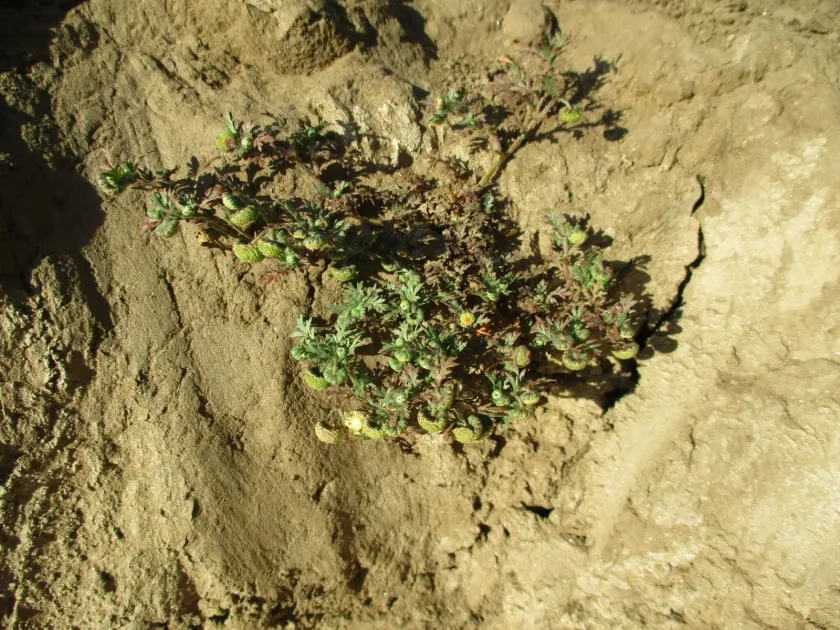
Description
Sowing dates
Sowing of Cotula anthemoides is typically performed during the early spring season once the threat of late frosts has passed.
The seeds require surface sowing or very light covering with soil, as they are small and need light for optimal germination process.
Proper spacing is crucial to ensure that each individual plant has sufficient room for development and canopy expansion during its growth cycle.
Regular irrigation following the sowing stage is recommended to keep the substrate moist until the seedlings are fully established.
In regions with mild winter conditions, late autumn sowing can be explored to capitalize on early spring moisture availability.
Growing requirements
Cotula anthemoides, belonging to the Asteraceae family, thrives best in sunny positions with well-drained, fertile soil compositions.
The plant is highly sensitive to waterlogging, necessitating the choice of locations that offer excellent drainage to prevent root diseases.
Moderate irrigation schedules should be maintained throughout the growing season to support consistent vegetative growth and flower production.
The species prefers neutral soil pH levels, making it adaptable to a wide range of standard agricultural lands with minimal soil adjustment.
Temperature management is important, as the plant performs optimally in temperate climatic zones without extreme heat or cold fluctuations.
Yield
The yield of Cotula anthemoides is primarily measured by the total weight of the harvested aerial biomass used for commercial purposes.
Optimizing planting density and nutrition levels allows growers to maximize the per-hectare productivity of their commercial plots.
Fertilization with balanced nutrients plays a significant role in improving the structural integrity and overall vigor of the crop stands.
Consistent environmental conditions and proactive management of growth stages lead to predictable and stable harvest outcomes annually.
Techniques such as staggered planting can help extend the harvest window, allowing for more efficient processing and logistics.
Main diseases and pests
Fungal pathogens represent the most significant threat to Cotula anthemoides, particularly in environments with poor air circulation or excess moisture.
Pest management programs should focus on controlling aphid populations, which can transmit viruses and reduce the aesthetic quality of the crop.
Weed control via mechanical cultivation is vital during the early establishment phase to prevent resource competition from more aggressive species.
Implementing a strict crop rotation strategy reduces the incidence of soil-borne diseases that can accumulate if the same site is reused continuously.
Field scouting for early signs of disease and pest damage is recommended to allow for rapid intervention and minimal chemical usage.
Harvesting
Harvesting should be timed to coincide with the peak flowering stage to ensure the highest concentration of desired biochemical compounds.
The biomass is typically cut and gathered into containers, ensuring that the material remains clean and free from contaminating foreign matter.
Drying facilities must provide rapid, gentle dehydration to prevent the degradation of heat-sensitive components within the harvested plants.
Once dried, the product should be stored in moisture-proof conditions to maintain quality standards until it is shipped to the end-users.
Final cleaning and sorting processes are essential to verify that the final crop meets the required purity and quality specifications.