
Cotula mexicana
Cotula mexicana
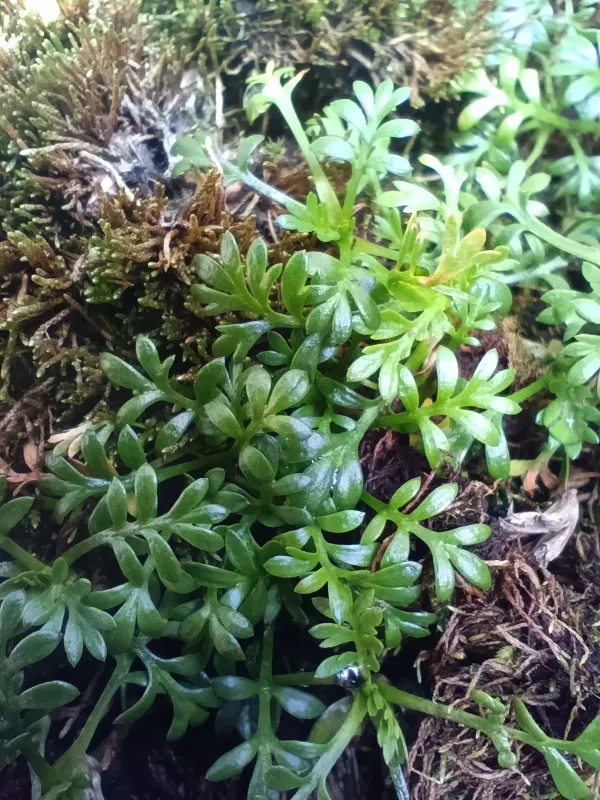
Description
Sowing dates
Sowing Cotula mexicana seeds is best performed during the spring season when temperatures reach approximately 15-18 degrees Celsius, ensuring optimal conditions for germination.
For greenhouse or container propagation, seeds should be sown in late March, covering them lightly with a thin layer of soil as they require some exposure to light to sprout efficiently.
When planting directly outdoors, it is crucial to wait until all danger of frost has passed, as the young seedlings are delicate and susceptible to thermal shock in cold weather.
Maintaining a constant level of soil moisture during the germination process is vital, as the seeds are quite small and can desiccate quickly if the surface dries out.
Seedlings should be thinned or transplanted once they have developed their first true leaves and reached a height of about 3-5 centimeters, allowing for better spacing and growth.
Growing requirements
Cotula mexicana, a member of the Asteraceae family, is a perennial herbaceous plant valued for its fine-textured, carpet-like growth habit and attractive foliage.
The plant thrives in full sun to partial shade, requiring a location that provides ample light to maintain its characteristic compact form and vibrant green color throughout the season.
Soil requirements include well-draining, moderately fertile ground with a neutral or slightly acidic pH, which prevents the roots from becoming waterlogged during rainy periods.
Regular irrigation is essential, especially during the peak summer months, as the plant's surface-level root system can easily suffer from dehydration in dry climates.
While relatively hardy, in regions with harsh winters, it is recommended to protect the plants with a layer of mulch to insulate the roots against freezing temperatures.
Yield
The primary use of Cotula mexicana in agriculture and horticulture is as a dense ground cover, providing an aesthetically pleasing alternative to traditional lawn grasses.
It is widely utilized in landscape design to fill gaps between stepping stones, cover bare patches in alpine rock gardens, and create low-maintenance borders that suppress weeds.
The plant's ability to spread rapidly via creeping stems allows it to form a solid, uniform mat that enhances the visual appeal of any garden space without significant intervention.
Beyond its decorative value, the species contributes to soil stabilization in smaller, sloped areas, acting as a natural shield against minor erosion caused by wind or rain.
Successful stands can achieve near 100 percent coverage, making it a highly effective choice for gardeners looking for both beauty and utility in a single ground-covering species.
Main diseases and pests
Fungal pathogens such as root rot and leaf spot are the main threats to Cotula mexicana, particularly in areas with poor drainage or stagnant air circulation around the plants.
Pests like slugs and snails are frequently observed, especially during wet seasons, and can cause significant cosmetic damage by grazing on the succulent foliage of the plant.
Aphid infestations may occasionally occur, weakening the plant by sucking sap from new growth, which can subsequently lead to secondary issues like sooty mold accumulation.
To manage these threats, it is important to provide sufficient space between plants, avoid evening overhead watering, and monitor the foliage regularly for signs of distress.
Integrated pest management strategies, including the use of physical barriers for mollusks or biological controls, are highly recommended to ensure the plant remains healthy.